REVIEW · OAHU
Certified Diver: 2-Tank Night Dive
The ocean changes after sunset. This three-hour Oahu outing gives certified scuba divers two very different underwater sessions, beginning around twilight and ending under the beam of a flashlight. I like the sunset surface interval and the chance to see creatures that stay hidden by day. I also like that premier ScubaPro gear, snacks, refreshments, and a PADI professional are included. The main drawback is the price, $248.81 per person, plus parking, and you need to arrive early for paperwork and gear fitting.
This is a good choice if you already hold a recognized certification and want an easy way to add a night experience to your Hawaii trip. Guides such as Adam, Heather, Chris, Megan, Jordan, Patrick, Josh, Nacho, and John have helped create a relaxed, safety-minded atmosphere. Still, night conditions can bring less wildlife on some outings, and you need to be comfortable swimming, in good health, at least 15 years old, and off airplanes for 24 hours afterward.
Key points to know before booking
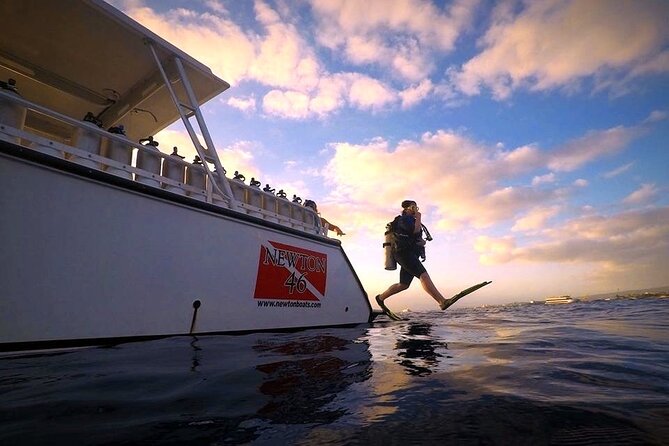
- Twilight begins the evening: The first session leaves before sunset, letting you watch Oahu’s light fade from the boat and underwater.
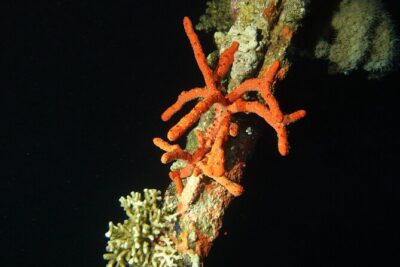
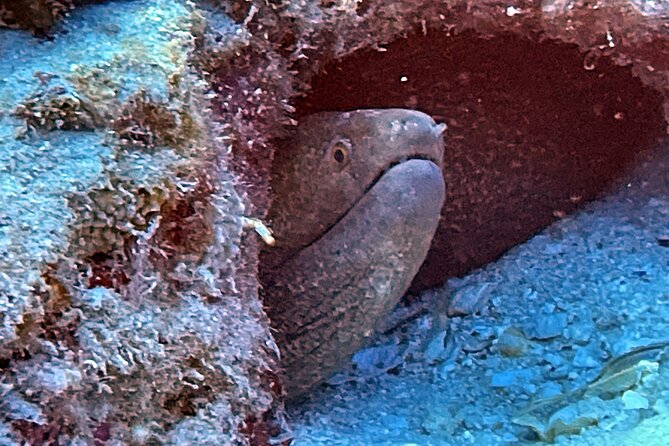
- The second tank comes after dark: Flashlights reveal nocturnal creatures such as slipper lobsters, octopus, eels, cuttlefish, crabs, and other small marine life.
- Popular local sites may include Sea Tiger and Kewalo Pipe: Exact locations depend on conditions, but past outings have reached wreck and reef sites near Honolulu.
- Premier gear is included: You receive equipment rental, snacks, refreshments, and guidance from a PADI professional at no extra charge.
- The group can be as large as 21 people: The boat may sometimes carry a much smaller group, but you should not assume a private trip.
- Strict timing matters: Meet at Dive Oahu in Kewalo Basin Harbor by 5:00 pm for the 5:30 pm departure, and bring proof of certification.
Why the sunset-to-dark format works so well
A two-tank evening schedule gives you more than a standard night swim. The first outing takes place before full darkness, usually at one of Honolulu’s well-known local sites. You get time to settle into the water, check your equipment, and enjoy familiar daytime visibility before the final sunlight disappears.
Then comes the surface break. Instead of sitting on a dock or waiting in a parking area, you can watch the sunset over the ocean while the crew prepares the next tank. That pause is a small but important part of the experience. It gives you time to warm up, eat a snack, and reset your mind before entering the water at night.
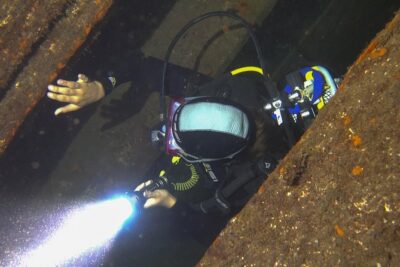
The second session is where the mood changes. Your flashlight becomes the center of your view, and the ocean feels quieter and more focused. You may see the same reef or wreck in a completely different way, with animals moving out to hunt and small creatures appearing in the beam.
I like this setup because it eases you into the evening. A first-ever night session can feel intimidating, and beginning in twilight gives you a gentle transition. The tradeoff is that the outing depends on conditions, site availability, and the behavior of marine life. You may see an octopus, shark, monk seal, or cuttlefish, but no crew can promise a particular animal.
More Dives for Certified Divers in Oahu
- Certified Diver: 2-Tank Deep Wreck and Shallow Reef Dive Off Oahu
★ 5.0 · 331 reviews - Certified Diver: 2-Tank Shallow Reef Dives off Oahu
★ 5.0 · 278 reviews - Waikiki 2 Tank World Class Wreck SCUBA Diving – Certified Only
★ 4.5 · 205 reviews
From Kewalo Basin Harbor to the first underwater site
The meeting point is Dive Oahu at Kewalo Basin Harbor, 1085 Ala Moana Boulevard, suite 109, Honolulu. The listed departure is 5:30 pm, but you should arrive at least 30 minutes early. That early arrival is not optional busywork. It allows time for waivers, certification checks, weight information, date of birth details, and equipment fitting.
Bring proof of certification from PADI or another approved training organization. Every participant must provide it before boarding. You also need to give your weight and date of birth, so have those details ready when you check in.
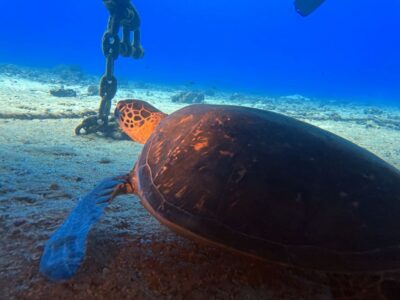
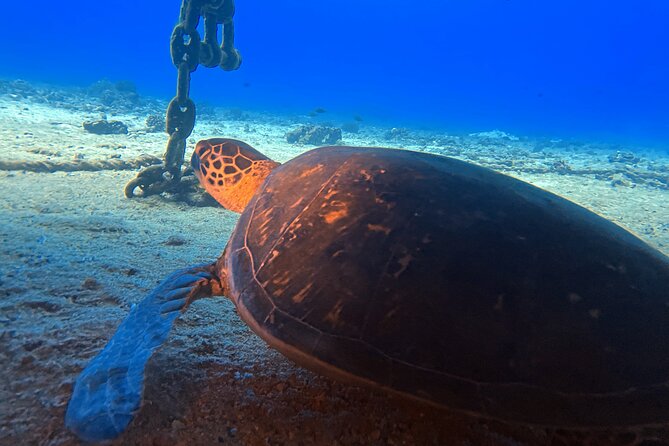
The boat ride leads to a local Honolulu site selected by the crew. Past outings have included the Sea Tiger wreck before sunset, along with Kewalo Pipe and other reef areas. The Sea Tiger has produced sightings of turtles, eels, urchins, and schools of fish. One memorable encounter involved an octopus catching a fish and retreating into a tube on the wreck.
That sort of moment explains the appeal of this trip. The attraction is not only the wreck or reef itself. It is the possibility of watching natural behavior at close range while a guide points out details you might miss on your own.
Exact sites are not guaranteed, and that is normal for an ocean outing. Weather, visibility, currents, and site conditions can affect the route. If you need one specific wreck or reef, ask Dive Oahu before booking. If you are happy to let the crew choose the safest useful site, the flexible approach works in your favor.
The first tank: twilight at a Honolulu wreck or reef
The first underwater session is designed to happen around sunset. You may enter the water while there is still some natural light, then watch the colors fade as the session continues. That gives you a sense of the site in changing conditions rather than dropping immediately into complete darkness.
At the Sea Tiger wreck, past trips have produced turtles, eels, urchins, and large groups of fish. Wrecks can be especially interesting at this hour because you can first read the shape of the structure in natural light, then notice the darker spaces and animals sheltering inside it.
The guides help keep the pace calm. Adam, Heather, Chris, and Megan have been singled out for safety support, clear explanations, and help underwater. That matters if you are returning to scuba after a long break. Patrick has also helped rusty participants feel comfortable after a year or more away from the sport.
The tour is not described as a class or refresher course, so you should arrive with the skills expected of a certified participant. Guides can assist and point out marine life, but you should not book this as a substitute for basic training or a formal skills review.
The surface interval with sunset, snacks, and refreshments
After the first tank, you return to the boat for the surface interval. This is your chance to rest, switch tanks, talk with the crew, and enjoy snacks and refreshments included in the price.
The sunset is more than a pretty backdrop. It marks the change in conditions and gives you a natural break between two different styles of underwater viewing. By the time you prepare for the second tank, the last daylight has usually faded, and your flashlight will do most of the work.
I would use this break wisely. Eat something light, drink water, and check that your equipment feels right. If you are prone to feeling cold after being in the water, bring suitable personal layers for the boat ride. The supplied information does not promise wetsuit details, so ask the operator what is included in your rental package before departure.
The crew can also help you arrange optional extras. GoPro rental, an underwater DPV scooter, Nitrox tank rental, and a private guide are available as add-ons. Since the base price already includes premier gear, compare the cost of any upgrade with what you normally use and what your certification allows.
More Dives for Certified Divers in the USA
- Hawaii DISCOVER Beginner + Certified 2 Tank Shallow Scuba Diving
★ 4.5 · 42 reviews - Certified Divers: Best 2-Tank Wrecks & Reef Boat Dive All Inclusive From Waikiki
★ 5.0 · 41 reviews - Certified Scuba Diving Along Two Shallow Reef Sites
★ 5.0 · 36 reviews - Oahu: Wreck & Reef Scuba Dive for Certified Divers
★ 4.8 · 17 reviews
The second tank after sunset
The second session is the reason most certified participants choose this outing. Once daylight drops away, you scan a smaller area with a focused beam. That narrow view can make ordinary reef details feel new, while nocturnal animals become easier to spot.
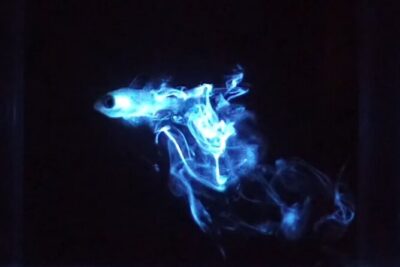
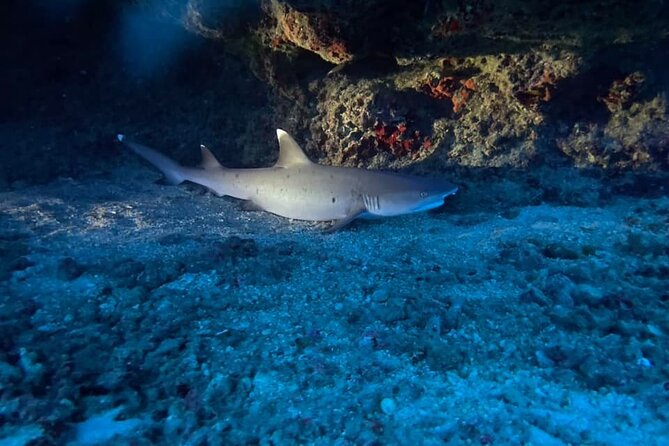
Past sightings have included a unicorn fish, slipper lobster, huge eel, glowing cuttlefish, crabs, nudibranchs, live conch, and bioluminescent creatures. One group also encountered a shark, while another had a monk seal swim alongside them for much of the session.
Those encounters are exciting, but I would keep expectations sensible. One outing had less wildlife than hoped for, even though the guide and captain still made the experience worthwhile. Marine life follows its own schedule. The strength of this trip is the chance to see a different side of familiar sites, not a guaranteed animal checklist.
The guides carry the practical value of the tour. Miranda, Jordan, Megan, Adam, Heather, and others have been praised for helping participants stay calm, pointing out animals, and keeping the group organized. A night session requires more trust in your buddy, your equipment, and the crew, so a steady guide makes a real difference.
Equipment, crew size, and the value of $248.81
At $248.81 per person, this is not a budget activity. The price makes more sense when you count the two tanks, boat transport, PADI professional guidance, premier gear rental, snacks, and refreshments. If you are traveling without your own equipment, the included rental saves you from arranging separate gear.
The strongest value comes from convenience and support. You do not need to find a second operator for equipment, book a separate sunset cruise, or plan your own route to local sites. You arrive at one harbor, complete the paperwork, board the boat, and return to the same meeting point.
Parking is not included, so add that cost when planning your evening. The harbor is near public transportation, which may help if you do not have a rental car, though you should allow enough time to reach the meeting point before the required check-in.
The maximum group size is 21 people. That is small enough for a guided feel, but it is not a private charter. Group size can vary. On some outings, only two participants have gone out, and the operator has continued rather than canceling. That is a nice sign of flexibility, but you should book expecting a shared boat, not a personal guide.
A private guide is available as an add-on if you want closer attention. That may be useful if you are rusty, prefer a slower pace, or want help with photography. Ask about availability and cost before you arrive.
Safety rules that affect your schedule
You must be able to swim, be at least 15 years old, and be in good health. All participants need accepted certification, and the operator requires your weight and date of birth.
Do not plan this outing close to a flight. You must not fly within 24 hours after scuba activity. That rule can affect the final days of your Hawaii trip, so schedule the tour early enough to leave a full 24-hour buffer before flying home.
Dive Oahu uses a 48-hour cancellation policy in its additional information, while the booking terms allow a full refund when you cancel at least 24 hours before the start time. Because those details do not match perfectly, I would confirm the exact policy shown at checkout and in your confirmation email. Cancellations inside the stated cutoff may receive no refund.
Weather can also affect the trip. If poor conditions cancel the outing, you should be offered another date or a full refund. The same applies if the minimum number of participants is not met, with the choice of another date, another experience, or a refund.
Who will enjoy this Oahu night outing most
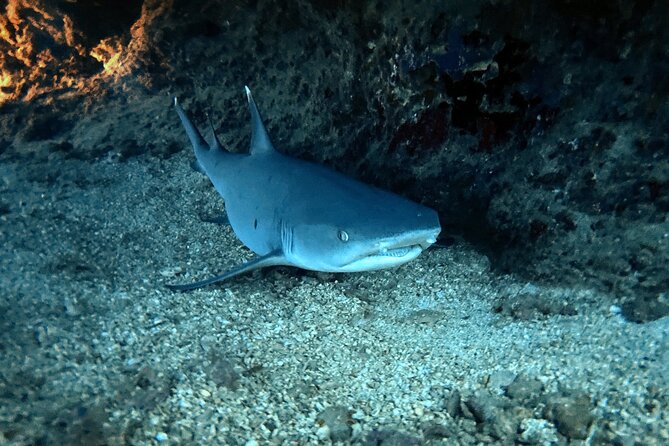
This is best for a certified scuba participant who wants a guided evening on local sites without bringing a complete equipment setup. It suits solo visitors, couples, families with qualified teenagers, and small groups of friends.
It is especially useful for:
- A certified participant new to night scuba
- Someone returning after a long break who wants crew support
- A diver interested in wrecks, reefs, and small nocturnal animals
- Visitors who value included gear and a simple harbor meeting point
- Photographers who may want the GoPro option or a private guide
It is less suitable if you have no certification, dislike swimming in open water, need a guaranteed site, or want a quiet private charter at the base price. It also may not fit a tight departure schedule because the outing begins at 5:30 pm, returns after two tanks, and requires you to avoid flying for 24 hours afterward.
Should you book the two-tank night experience?
I would book it if you are already certified, have room in your schedule, and want more than a daytime look at Oahu’s underwater sites. The sunset break, included gear, attentive crew, and chance to see animals such as octopus, cuttlefish, slipper lobster, eels, and bioluminescent life give the evening real appeal.
I would skip it if $248.81 feels too high for an outing with no guaranteed wildlife or if your flight leaves the next day. Before paying, confirm the cancellation wording, ask about the expected sites, check what personal equipment you need to bring, and arrive at Kewalo Basin Harbor by 5:00 pm.
With those points settled, this is a well-supported way to try a night session around Honolulu. The experience depends on the ocean, but the crew and the two-part schedule give you a strong chance to enjoy the change from sunset water to flashlight-only exploration.
FAQ
Where does the tour begin?
It begins at Dive Oahu, Kewalo Basin Harbor, 1085 Ala Moana Boulevard, suite 109, Honolulu, Hawaii 96813. The activity ends back at the same meeting point.
What time should I arrive?
The scheduled start is 5:30 pm. You must arrive 30 minutes early for waivers and equipment fitting, so plan to be at the harbor by 5:00 pm.
How long does the experience last?
The activity lasts approximately three hours.
Do I need scuba certification?
Yes. Every participant must show proof of certification through PADI or another approved scuba course before boarding.
Is equipment included?
Yes. Premier gear rental is included, along with snacks and refreshments. Optional extras include GoPro rental, an underwater DPV scooter, Nitrox tank rental, and a private guide.
What age and health requirements apply?
You must be at least 15 years old, able to swim, and in good health.
Can I fly the day after the tour?
No. You must not fly within 24 hours after scuba activity.
Is parking included?
No. Parking is not included. The meeting point is near public transportation.
What happens if weather cancels the outing?
You will be offered another date or a full refund if poor weather causes the operator to cancel. If the minimum number of participants is not met, you will be offered another date or experience, or a full refund.
More Two-Tank Boat Dives in the USA
- 2 Tank Lanai Cathedral Scuba Dive Via Boat for Certified Divers
★ 5.0 · 548 reviews - Kauai’s Ultimate South Shore 2 Tank Dive (Certified Divers Only)
★ 5.0 · 190 reviews - Kauai’s Ultimate Discover Scuba Dive – OCEAN EXPERIENCE (1 Tank Dive)
★ 5.0 · 186 reviews - Half-Day Small-Group 2-Tank Scuba Dive in Key Largo (CERTIFIED DIVERS ONLY)
★ 5.0 · 125 reviews
More Two-Tank Boat Dives in Oahu
- 2 Tank Private SCUBA Party Diving Charter from Waikiki Hawaii
★ 4.5 · 34 reviews - Two Tank Wreck and Drift Dive in Oahu
★ 4.5 · 7 reviews - Waikiki Two Tank Guided Scuba Diving Adventure: Certified Diver
★ 5.0 · 5 reviews
New dives around Oahu
- Two Tank Wreck and Drift Dive in Oahu★ 4.5 · 7 reviews
- Small Group Shallow Reef Dive in Oahu★ 5.0 · 9 reviews
- SCUBA Dive at Electric Beach with Photos -No Certification Needed★ 5.0 · 28 reviews
- 2 Tank Private SCUBA Party Diving Charter from Waikiki Hawaii★ 4.5 · 34 reviews
- Shark Dive Private Charter No Cage★ 5.0 · 3 reviews
- Discover Scuba Diving in Hawaii – Non certified divers!★ 5.0 · 3 reviews
- Private Shark Dive, Oahu, Hawaii (6 Guest)★ 5.0 · 21 reviews
- Waikiki Two Tank Guided Scuba Diving Adventure: Certified Diver★ 5.0 · 5 reviews
Night Dives, compared.
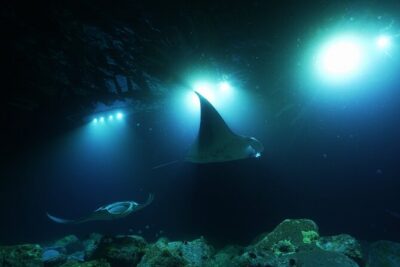
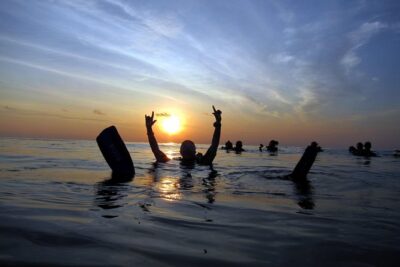
Scuba Diving Kata Beach Night Dive for Certified Divers
Read our review →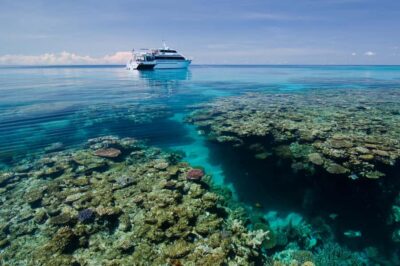
Cairns: Pro Dive Great Barrier Reef 3 Day/2 Night Dive Trip
Read our review →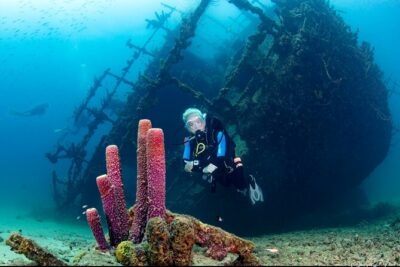
Aruba Guided Night Dive Adventure: Shallow Reefs or Shipwrecks
Read our review →