
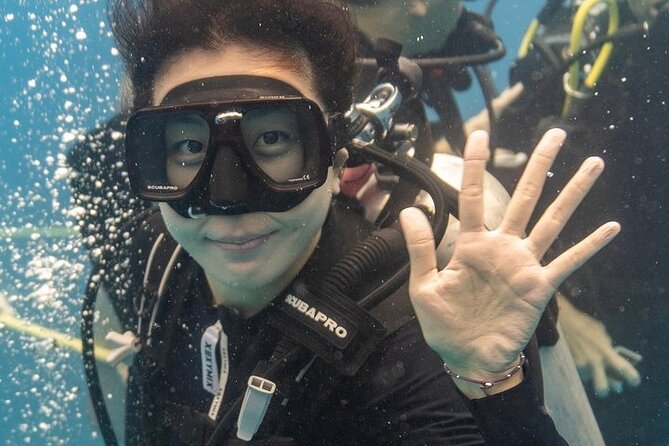
REVIEW · OAHU
Hawaii DISCOVER Beginner + Certified 2 Tank Shallow Scuba Diving
The Pacific becomes your classroom. This Oahu scuba trip gives beginners a real open-ocean experience rather than a brief pool lesson, with two shallow sessions, professional instruction, equipment, and hotel transfers included. I especially like the separate groups for beginners and certified scuba users, plus the small-group format that lets instructors give calm, close attention.
I also like the flexible morning or afternoon departure and the chance to see turtles, rays, eels, octopus, reef fish, and sometimes whales or dolphins from the boat. The main caution is simple: seasickness and ear pressure can end the fun quickly, and some people have not completed both sessions because of currents, breathing problems, or discomfort underwater.
Key Things to Know Before Booking
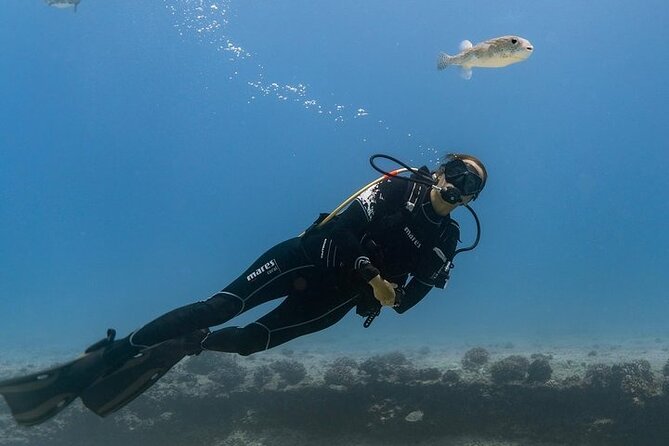
- Two real open-ocean sessions: This is a four-hour outing with two shallow underwater sessions, not a 40-minute beach introduction.
- Beginners are welcome: You do not need PADI certification, but you must pass the medical questionnaire and may need a doctor’s consent.
- Small groups matter: The boat carries up to 22 people, with beginner groups kept separate from certified scuba users.
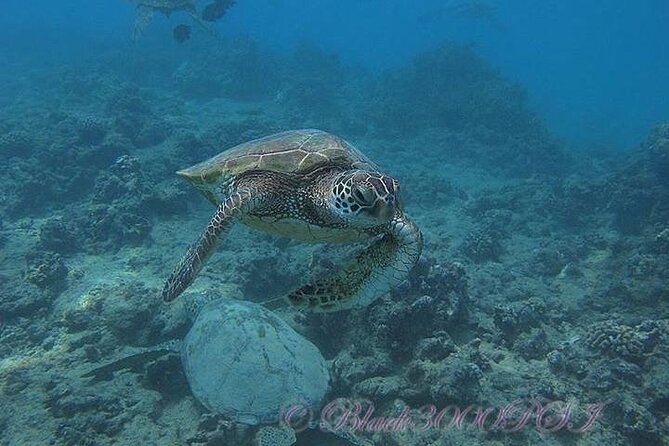
- The Five Spot may bring turtles: This site has been especially good for sea turtles, though wildlife and site conditions can change.
- Morning or afternoon choices: You can fit the trip around other Oahu plans, but leave room afterward because you cannot fly for 18 hours.
- Plan for the ocean, not a swimming pool: Choppy water, pressure changes, and seasickness are real possibilities even on a well-run outing.
What the $299 Price Buys You
At $299 per person, this is not a bargain-basement beach activity. The price makes more sense when you count the two underwater sessions, scuba equipment, instruction, boat transport, and round-trip hotel transfers. You are paying for a proper ocean operation rather than a quick try-it experience from shore.
The trip includes scuba equipment, but not bottled water or food. Bring everything you want to eat and drink. That matters because four hours on a boat, in the sun, and in salt water can leave you thirsty and hungry.
The strongest value is for first-time participants who want patient instruction without committing to a full certification course. You receive individual help before entering the water and guidance during the sessions. Certified scuba users also get a useful refresher, especially if it has been years since their last underwater outing.
The price is less attractive if you only want to float around for a few minutes or if you are uncertain about scuba altogether. Several people have struggled with seasickness, equalizing their ears, or breathing comfortably. If you are not sure your body will tolerate the activity, read the medical form before paying.
A private instructor is available for an additional level of personal attention. That may be worthwhile for a nervous first-timer, a family with mixed experience, or a certified person who wants to stay with a beginner in the group.
More Dives for Certified Divers in Oahu
- Certified Diver: 2-Tank Deep Wreck and Shallow Reef Dive Off Oahu
★ 5.0 · 331 reviews - Certified Diver: 2-Tank Shallow Reef Dives off Oahu
★ 5.0 · 278 reviews - Waikiki 2 Tank World Class Wreck SCUBA Diving – Certified Only
★ 4.5 · 205 reviews
Starting at Waikiki Dive Center
The meeting point is Waikiki Dive Center at 424 Nāhua Street in Honolulu. The activity ends back there, and round-trip transfers from your hotel are included. The shop is near public transportation, which helps if you are staying outside the usual pickup area or prefer to make your own way there.
Allow time for check-in, equipment fitting, paperwork, and the safety briefing. Confirmation arrives when you book, and the medical questionnaire should be reviewed before the day of the activity, not while you are standing at the counter.
The medical rules are firm. Beginners must complete the PADI medical questionnaire. If you answer yes to a listed condition, you need written consent from a licensed medical doctor before check-in. If you fail the medical check at the last minute, the full booking charge may apply.
Do not drink alcohol before the trip. You should also stay hydrated, use coral-safe sunscreen, and consider Dramamine if you are prone to motion sickness. The boat may be large, but size does not guarantee a calm stomach.
From Waikiki Beach to Kewalo Basin
The outing connects several familiar Oahu landmarks: Waikiki Beach, Ala Moana Beach Park, Kewalo Basin, Diamond Head Crater, and the surrounding waters of Oahu. These stops help place the trip within the south shore rather than suggesting a land-based sightseeing tour.
Waikiki is the most convenient starting area for many visitors. It is close to hotels, restaurants, buses, and shops, but its crowded beachfront is not the setting for the main underwater activity. The real experience begins as you move out toward the harbor and open water.
Ala Moana Beach Park gives you a useful sense of how quickly Honolulu changes from resort center to working waterfront. Kewalo Basin is the important practical point because boats depart from this harbor area. Your attention here will be on gear, instructions, and boarding rather than sightseeing.
Diamond Head provides a recognizable landmark from the water. It is a good reminder that the views are part of the boat ride, but the trip’s main purpose is beneath the surface. Do not book this as a dedicated coastal sightseeing cruise.
The exact underwater locations can change with weather, current, visibility, and safety conditions. One commonly mentioned location is the Five Spot, where a huge sea turtle has delighted participants. Still, no responsible operator can promise a particular animal or site every time.
The First Session: Getting Comfortable Underwater
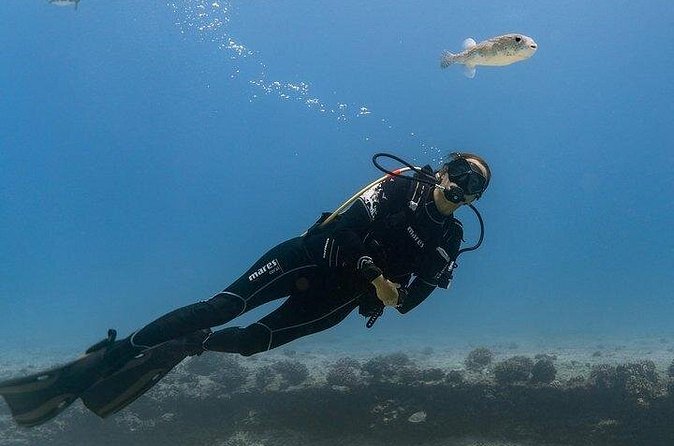
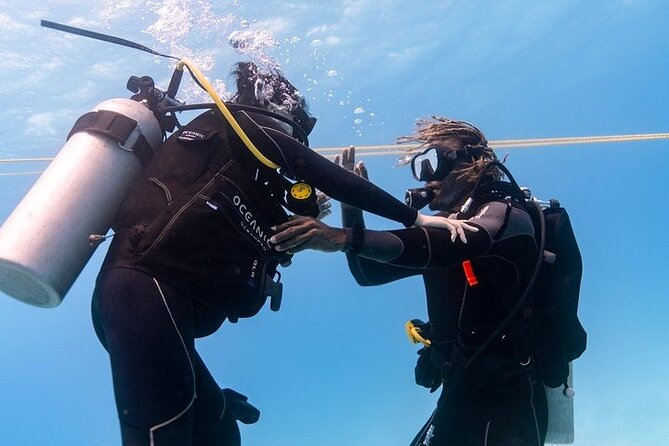
Beginners are grouped separately from certified scuba users in general. That is important. A first-time participant needs time to adjust to the regulator, mask, weights, breathing pattern, and pressure changes. A certified person usually wants a more independent pace.
The instructors place strong emphasis on one-on-one help. That is especially useful when you first enter the water and discover that swimming with scuba gear feels different from swimming normally. The gear can feel heavy on the boat, and the mask and wetsuit may take some adjustment before you feel at ease.
The most common early challenge is equalizing your ears. Pressure can cause pain if you descend too quickly or do not clear your ears properly. One participant had sharp ear pain and another group had trouble equalizing, so take this seriously. Tell your instructor immediately rather than trying to push through it.
Breathing calmly is another key step. One beginner needed patient coaching before feeling comfortable, while others found that careful instruction helped them move from nervousness to genuine enjoyment. The instructors named in the feedback include Matt, Chad, Chris, Scott, Jared, Nick, Alex, Anna, Phil, and Yoshi.
You should expect clear directions and repeated safety checks, but you still need to speak up. If your mask leaks, your equipment feels wrong, or you feel panicked, signal your instructor. The strongest experiences described here came from people who received patient help instead of being hurried.
More Dives for Certified Divers in the USA
- Certified Diver: 2-Tank Night Dive
★ 5.0 · 61 reviews - Certified Divers: Best 2-Tank Wrecks & Reef Boat Dive All Inclusive From Waikiki
★ 5.0 · 41 reviews - Certified Scuba Diving Along Two Shallow Reef Sites
★ 5.0 · 36 reviews - Oahu: Wreck & Reef Scuba Dive for Certified Divers
★ 4.8 · 17 reviews
The Second Session: More Freedom, Same Conditions
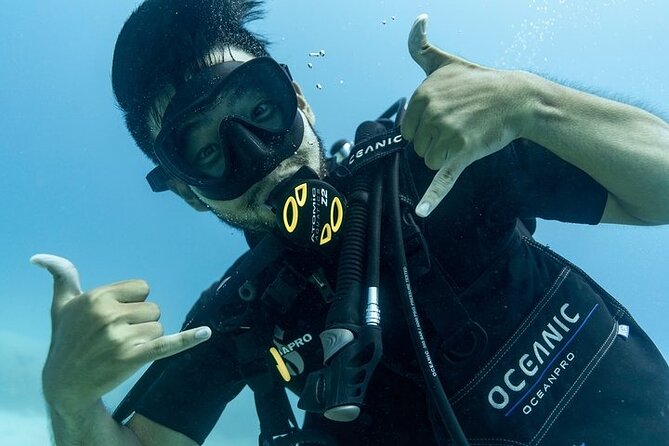
The second underwater session is where many people begin to relax. You already know how the equipment feels, and you have practiced breathing and equalizing. Certified scuba users may find the two-session format especially useful as a refresher.
A certified participant described two sessions at about 60 feet with good visibility, sea turtles, eels, rays, and other marine life. That depth is not a promise for every booking, and this is marketed as a shallow experience, but it shows the range of conditions possible on a favorable day.
The second site may not always be dramatically different from the first. One first-time participant enjoyed the experience but wished the second location offered more variety. Current and weather can also force changes. In one case, the second session ended early because of a strong current.
That is a fair trade-off for safety. You are not buying a guarantee of two identical underwater routes. You are buying access to a professional crew that can adjust the plan when conditions turn poor.
The boat ride between sessions may add its own rewards. Humpback whales and groups of dolphins have occasionally been seen from the boat. Treat those as fortunate extras, not scheduled parts of the tour.
Marine Life Without the Hype
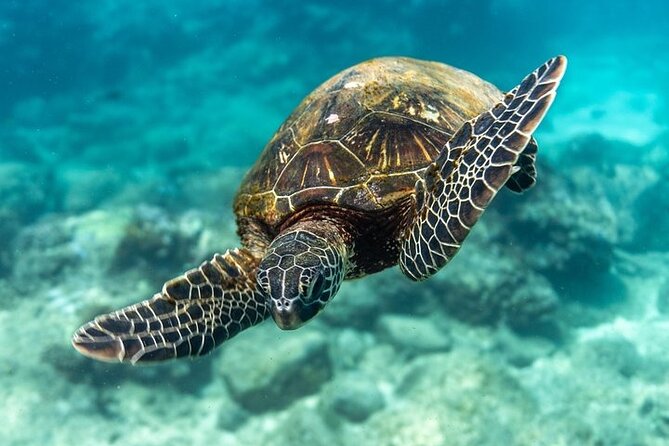
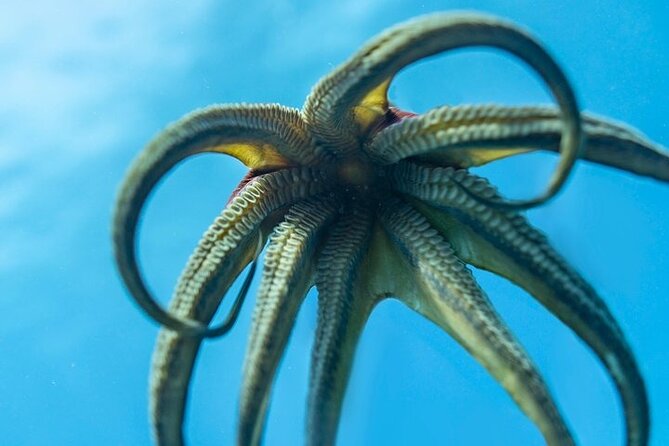
The south shore waters can offer plenty to look at. Possible sightings include green sea turtles, rays, eels, octopus, sea stars, sea urchins, reef sharks, and colorful tropical fish. Turtles have been a particular highlight, including at the Five Spot.
The clear water has also been praised by certified participants, though visibility changes with weather and current. You might see coral and fish close by, or you may spend more time concentrating on your breathing and position in the water. That is normal for a first session.
Dolphins and whales are possible from the boat, especially during the right season, but they are never guaranteed. The same applies to sharks and larger animals. I appreciate that the tour promotes an eco-conscious approach, but you should still use coral-safe sunscreen and avoid touching marine life or the reef.
The best mindset is to notice what appears in front of you rather than chase a checklist. A turtle, eel, or small reef fish viewed calmly is more rewarding than rushing around trying to find something bigger.
Safety, Conditions, and the Honest Drawbacks
The operation uses PADI-certified professional instructors and includes safety checks before participants enter the water. The boat is described as the largest dive vessel on Oahu, and the crew includes a captain and trained instructors. A clean boat and working equipment were also important positives in the feedback.
Still, professional operation does not remove every risk. Seasickness affected several people on one outing, and one person felt sick for hours afterward. Another group experienced choppy water, mask-fitting trouble, and difficulty equalizing, yet completed the activity with patient support.
Take seasickness seriously. Eat lightly, stay hydrated, avoid alcohol, and consider Dramamine if you already know it works for you. Bring water and food because they are not supplied.
You also need moderate physical fitness. The information does not promise an accessible or effortless activity, and scuba gear can feel cumbersome. A participant with a minor foot injury could not enter the water but was able to snorkel around the boat, though you should not assume that option will always be available.
You must not fly within 18 hours after scuba activity. Plan this outing early enough in your Hawaii trip, or at least leave a full buffer before your flight home. This rule alone makes the activity a poor choice for the final afternoon before departure.
Booking Rules and Group Size
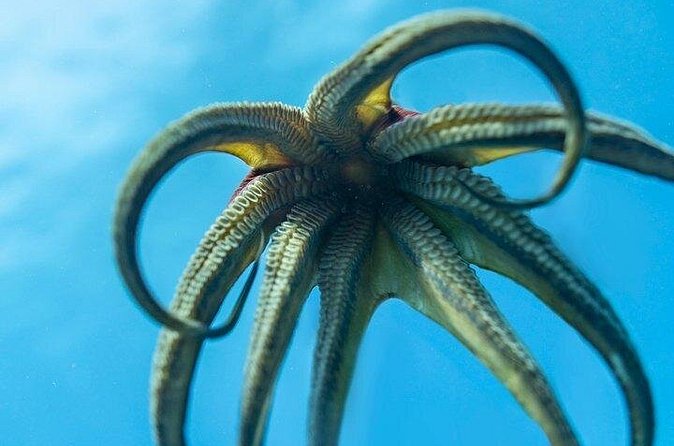
The maximum group size is 22 people, but that does not mean every participant is packed into one underwater group. Beginners are generally separated from certified scuba users, and private instruction can be arranged if you want more individual help.
Book as early as you can if your schedule is fixed. The experience is typically reserved about 26 days ahead, which suggests that popular morning or afternoon times can fill well before your arrival.
The cancellation terms require care. You can receive a full refund if you cancel at least 24 hours before the start time. Changes or cancellations inside 24 hours are not accepted and are not refunded. If bad weather or an insufficient number of participants cancels the trip, you can choose another date or receive a full refund.
Third-party booking can also create a delay if the operator cancels. The company has explained that it notifies the booking platform, but the platform handles the refund. Keep your confirmation and contact the seller directly if money does not return promptly.
Who Should Choose This Oahu Scuba Trip?
I would choose this experience if you are a first-time participant who wants more than a short beach lesson. The two-session format gives you time to move past the first wave of nerves and actually enjoy the underwater setting.
It also suits certified scuba users who need a refresher or have limited time on Oahu. The instructors can help you review procedures, and the boat ride may offer memorable wildlife sightings above the surface as well.
Families can make it work, particularly when an older child or teenager is comfortable in the water and the adults are ready to follow the instructor’s pace. The experience has worked well for families with both beginners and certified adults, but every participant must meet the medical and physical requirements.
I would hesitate if you are highly prone to seasickness, have unresolved ear or respiratory concerns, or need to fly the next morning. I would also think twice if you want a guaranteed turtle, a specific reef, or a calm-water outing every time.
Should You Book It?
Book this Oahu scuba trip if you value patient instruction, two genuine ocean sessions, included equipment, and a small-group approach. The strongest points are the calm staff, careful beginner support, and real chance to see turtles and other Hawaiian marine life.
Skip it if you want a quick, low-commitment water activity or cannot accept the medical, weather, current, and no-flying restrictions. Read the medical form first, bring your own water and snacks, plan for possible seasickness, and leave at least 18 hours before your flight. For an able-bodied beginner who wants a serious first taste of scuba, the $299 price is reasonable and the experience can be memorable.
FAQ
Do I need PADI certification to join?
No. Beginners can participate without PADI certification, while certified scuba users can join the same overall outing. Beginners are generally placed in separate groups.
How long does the activity last?
The experience lasts approximately four hours.
Are two underwater sessions included?
Yes. The activity is designed around two shallow open-ocean scuba sessions, although weather, current, safety, or other conditions can affect the plan.
Where does the tour begin and end?
It begins at Waikiki Dive Center, 424 Nāhua Street, Honolulu, and ends back at the meeting point.
Are hotel transfers included?
Yes. Round-trip transfers from your hotel are included.
What equipment is provided?
Scuba equipment is included. Bottled water and food are not included, so bring anything you want to eat and drink.
Do I need medical approval?
You must review the medical questionnaire before booking. If your answers identify a medical condition requiring approval, you must obtain consent from a licensed medical doctor before check-in.
Can I fly after the activity?
You must not fly within 18 hours after scuba activity.
What is the cancellation policy?
You can cancel at least 24 hours before the start time for a full refund. Cancellations or changes made within 24 hours are not accepted and are not refunded. If weather or an insufficient number of participants cancels the experience, you can receive another date or a full refund.
More Two-Tank Boat Dives in Oahu
- 2 Tank Private SCUBA Party Diving Charter from Waikiki Hawaii
★ 4.5 · 34 reviews - Two Tank Wreck and Drift Dive in Oahu
★ 4.5 · 7 reviews - Waikiki Two Tank Guided Scuba Diving Adventure: Certified Diver
★ 5.0 · 5 reviews
More Scuba Diving for Beginners in the USA
- Beginner Scuba Diving Experience with Video Package in Honolulu
★ 5.0 · 877 reviews - Waikiki: Honolulu Beginner Scuba Diving with Videos
★ 4.7 · 94 reviews - First Time Introductory Scuba Dive
★ 5.0 · 17 reviews - Discover Scuba Diving in Hawaii – Non certified divers!
★ 5.0 · 3 reviews
New dives around Oahu
- Two Tank Wreck and Drift Dive in Oahu★ 4.5 · 7 reviews
- Small Group Shallow Reef Dive in Oahu★ 5.0 · 9 reviews
- SCUBA Dive at Electric Beach with Photos -No Certification Needed★ 5.0 · 28 reviews
- 2 Tank Private SCUBA Party Diving Charter from Waikiki Hawaii★ 4.5 · 34 reviews
- Shark Dive Private Charter No Cage★ 5.0 · 3 reviews
- Discover Scuba Diving in Hawaii – Non certified divers!★ 5.0 · 3 reviews
- Oahu Shark Dive Educational Tour (No cage)★ 5.0 · 85 reviews
- Private Shark Dive, Oahu, Hawaii (6 Guest)★ 5.0 · 21 reviews
Two-Tank Boat Dives, compared.
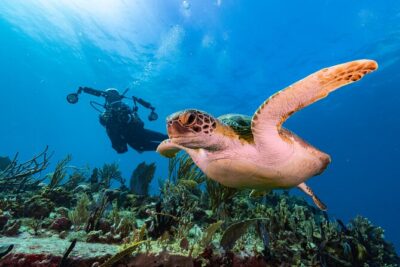
Two-Tank Morning Dive Trip for Certified Divers
Read our review →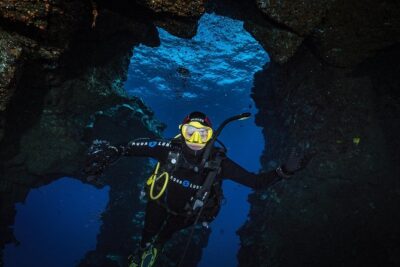
2 Tank Lanai Cathedral Scuba Dive Via Boat for Certified Divers
Read our review →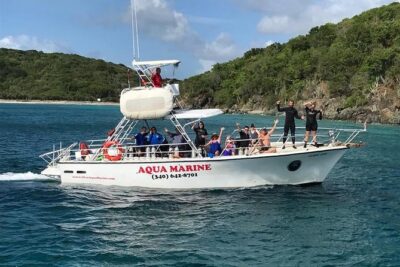
Two-Tank Dive for Certified Diving in St Thomas
Read our review →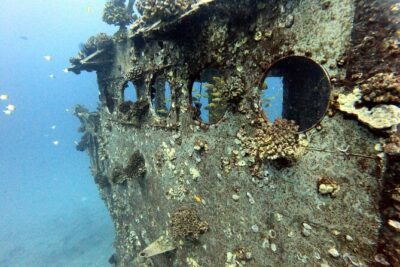
Certified Diver: 2-Tank Deep Wreck and Shallow Reef Dive Off Oahu
Read our review →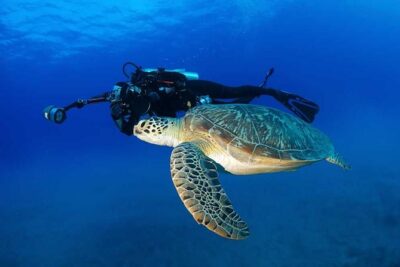
Certified Diver: 2-Tank Shallow Reef Dives off Oahu
Read our review →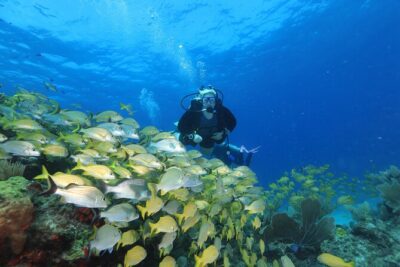
Two Tanks Scuba Diving for Beginners in Cancun
Read our review →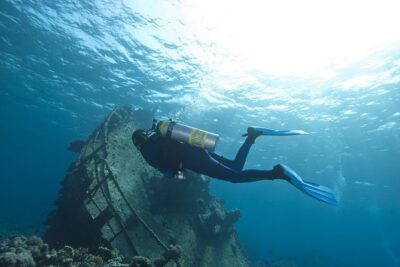
Aruba 2-Tank Dive Excursion for Certified Divers
Read our review →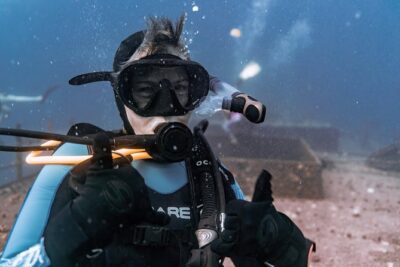
Waikiki 2 Tank World Class Wreck SCUBA Diving – Certified Only
Read our review →Browse the lists this tour appears in