
REVIEW · NHA TRANG
PADI Freediver Course
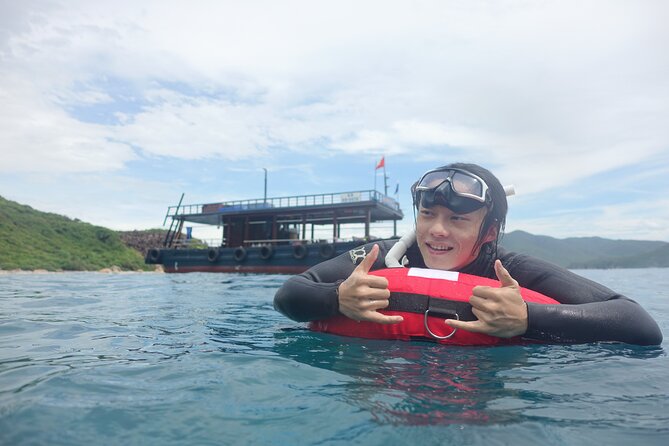
Breath control changes everything. This two-day PADI Freediver course in Nha Trang takes you beyond casual snorkeling with structured training in static apnea, dynamic apnea, free immersion, and constant weight techniques. I like the small maximum group of three, which should give you more direct coaching, and I like that the course offers a clear route to either the full PADI Freediver rating or the Basic Freediver rating if open-water training is not suitable.
The course also earns points for its personal instruction. Instructors named Andrew and Andrey have received praise for their calm, professional teaching, and one account singled out the boat food as especially good. The main consideration is physical: this is not simply a sightseeing swim. You need a moderate fitness level, comfort in the water, and the patience to practice skills carefully.
Key points to know before booking
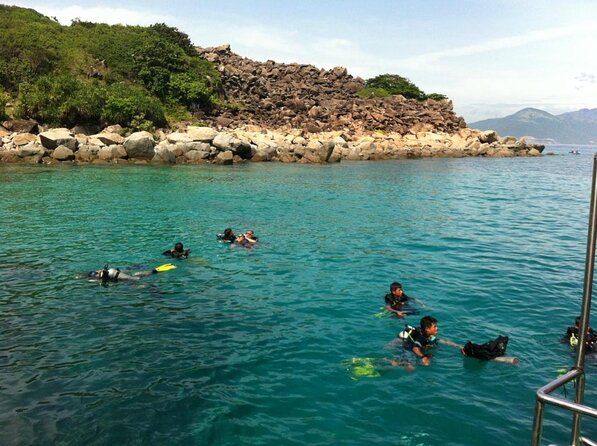
- Two days of structured breath-hold training: You work on static apnea, dynamic apnea, free immersion, and constant weight techniques rather than simply looking at fish from the surface.
- A very small group: The maximum is three people, a useful limit when every breath, movement, and safety skill needs close attention.
- Two possible course outcomes: Full open-water training reaches 10 to 16 metres, while the Basic Freediver option keeps confined-water work to a maximum of 6 metres.
- Experienced named instructors: Andrew and Andrey have been praised for clear, professional support, especially with first-time students.
- Morning-to-afternoon schedule: Operating hours are listed as 7:00 AM to 2:30 PM, giving you a full training window each day.
- Pickup may be available: Confirm the pickup details when booking, since the exact meeting arrangement is not specified.
What this Nha Trang course actually teaches
It helps to sort out the terms before you sign up. Snorkeling usually means floating on the surface with a mask and snorkel, looking down into the water. Skin diving adds short underwater descents and may include simple skills such as efficient movement and clearing a snorkel.
Freediving asks more of you. You learn how to use breathing, relaxation, body position, and controlled movement to stay underwater longer and travel farther on one breath. The goal is not to force your way down. The goal is to use oxygen carefully and return calmly.
That distinction matters. A casual snorkeler can decide to swim below the surface on a whim. A trained freediver learns a repeatable method, with attention to breathing before the attempt, movement during it, and recovery afterward. This course gives you that framework in a formal PADI setting.
The course covers four main disciplines:
- Static apnea: Remaining still while holding your breath, usually as a controlled practice of relaxation and breath management.
- Dynamic apnea: Moving underwater for distance while holding your breath.
- Free immersion: Pulling yourself along a line without using fins for propulsion.
- Constant weight freediving: Descending and returning with the same weight, using your own movement rather than changing ballast.
Those categories make the course more useful than a one-off underwater thrill. You are not only trying to reach a certain depth. You are learning several ways to manage your body and breath underwater.
More Dive Courses in Nha Trang:
- PADI Discover Scuba Diving – introduction program for beginners
★ 4.5 · 15 reviews - PADI Open Water Diver Course | For beginners
★ 5.0 · 10 reviews - Barcelona: PADI Discover Scuba Diving
★ 4.7 · 1,016 reviews
How the two-day schedule is likely to work
The listed duration is approximately two days, with operating hours from 7:00 AM to 2:30 PM. The exact daily timetable is not supplied, so you should think of the course as a series of classroom or knowledge sessions, confined-water practice, and open-water training rather than a fixed sightseeing itinerary.
The early start is practical. Breath-hold practice is physically demanding, and a morning beginning gives the course room for instruction, rest, repetition, and corrections. You should arrive ready to spend much of the day focused on technique rather than rushing from one attraction to another.
Knowledge and preparation
The course begins with the ideas that make freediving safe and efficient. You learn why relaxation matters, how different forms of apnea work, and how static and moving exercises fit together.
This part can sound less exciting than getting underwater, but I would not skip over its value. Breath-hold sports punish impatience. Understanding the method helps you recognize the difference between a controlled attempt and simply pushing harder.
It also gives you useful context for future snorkeling. You may come away with better awareness of breathing, movement, and energy use even when you are only watching the water from the surface.
Confined-water skill work
The Basic Freediver route includes the knowledge and confined-water portion of the course, with a maximum depth of 6 metres, or about 20 feet. This is the option for you if open-water training is not feasible or if you prefer to stop at a shallower level.
That limit is not a weakness. For a first course, a 6-metre maximum can provide a sensible way to practice skills without making depth the main measure of success. You still work on the foundations of breath-hold technique, movement, and control.
The confined-water format may also suit you if you want an introduction before deciding how far to take freediving. The course gives you a recognized Basic Freediver rating rather than leaving you with only an informal experience.
More Freediving Trips in Nha Trang:
- Freedive Silfra Half Day Tour
★ 5.0 · 225 reviews - Snorkeling and Freediving Trip around Nusa Penida
★ 4.5 · 77 reviews - 3-Day Freediving Level 1 Course
★ 5.0 · 54 reviews - Thingvellir: Silfra Freedive Adevnture with a Guide
★ 4.8 · 40 reviews
Open-water training to 10 to 16 metres
The full PADI Freediver course develops skills for open-water descents from 10 to 16 metres, or about 30 to 55 feet. That is a meaningful step beyond surface snorkeling and short casual descents.
The exact site and conditions are not specified, so do not book expecting a particular reef, island, or underwater animal encounter. The main purpose is training. You are there to practice the disciplines under open-water conditions, with the instructor guiding your progress.
Depth also changes the nature of the task. You need to stay calm, use efficient movement, and manage your return. I like that the course presents a defined range rather than promising an extreme-depth challenge. It gives you a clear target while leaving room for your ability and comfort.
Why a maximum of three people matters
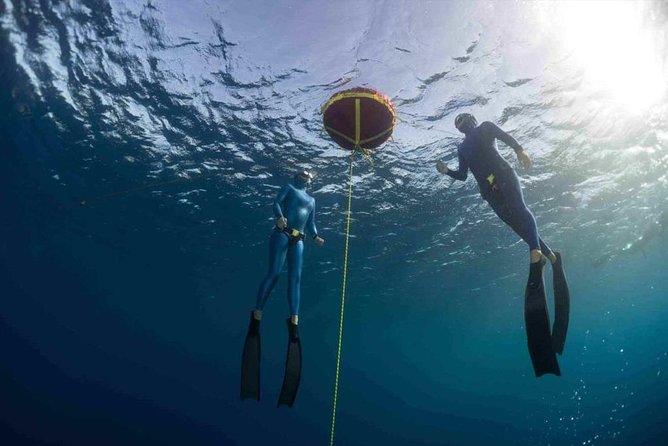
A group cap of three is one of the strongest practical features here. Freediving technique can be hard to assess from a distance. A small group gives the instructor a better chance to watch your breathing, body position, movement, and recovery.
It also changes the mood. You are less likely to feel like one face in a large class, and you may have more time to ask questions between attempts. If you are nervous about your first underwater training, that personal attention can make a real difference.
Small groups do not guarantee that every session will feel easy. You still need to practice, rest, and accept corrections. But the format is well suited to a skill where quality matters more than speed.
The instructors and teaching style
Two instructors connected with this course have been named in especially positive accounts: Andrew and Andrey. Andrew has been praised for working closely with a young solo student from Australia who had never tried freediving before. Andrey has been described as professional and supportive while guiding a first-level course for someone with little or no previous experience.
That gives you a useful picture of the teaching style to expect. This is not presented as a course only for people who already know how to hold their breath. Beginners are welcome, and the instruction appears to focus on building confidence step by step.
The strongest praise is directed at the instructors rather than at scenery or equipment. That is important. When you book a course like this, the quality of the coach affects your experience more than a glossy destination description. Ask about the instructor assigned to your date if that matters to you.
Food, boats, and the non-training parts of the day
One three-day course account praised the food served on the boats, calling it some of the best food experienced in Vietnam. Your course is listed as two days, so you should not assume the same meal arrangement or boat schedule, but the detail is still useful.
It suggests that the day may include more than drills in the water. Boat-based training can make the time between sessions more comfortable, especially when you need a break from concentrated breath-hold work. Still, the supplied information does not specify the vessel, meal plan, or exact open-water location.
I would confirm what is included before paying: pickup, meals, equipment, boat transport, and any extra fees. The listed price is $320 per person, but the available details do not itemize inclusions.
Is $320 a fair price?
At $320 per person, this is not a cheap casual water activity. You are paying for a two-day instructional course, not a short snorkeling outing.
The value comes from the course structure and the possible PADI rating. You receive training in four distinct disciplines, access to a very small group, and a choice between full open-water certification work and a Basic Freediver pathway. For someone who plans to continue freediving, that makes the price easier to justify.
The value is weaker if you only want a quick look beneath the surface. You may be happier with a simple snorkeling trip, especially if you are not interested in breath-hold technique or formal training.
I would also compare the exact inclusions before booking. Pickup is offered, but the information does not confirm whether it is included in the price. The same applies to meals, equipment, and transport during the open-water portion.
Fitness, confidence, and who should take it
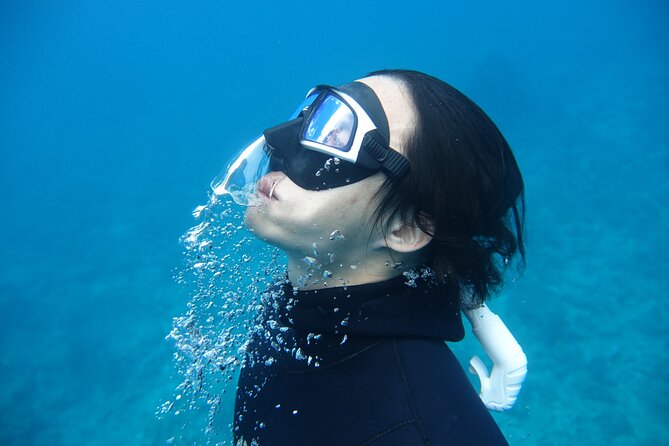
The stated requirement is moderate physical fitness. That does not mean you need to be an athlete, but you should be prepared for repeated water work across two days.
You should also be honest about your comfort level. Freediving requires you to remain composed while holding your breath. If you dislike the feeling of being underwater or find controlled breathing stressful, the course may feel demanding.
I think it suits:
- First-time freedivers who want trained instruction instead of casual experimentation.
- Snorkelers who want to improve underwater movement and breath control.
- Solo visitors who value a small class and direct coaching.
- People planning to continue with freediving after the course.
- Students who want a Basic Freediver rating without completing open-water work.
It may not suit you if your main goal is sightseeing, a relaxed half-day in the water, or a large social group. This is a skills course first.
Booking, pickup, and cancellation advice
The activity offers mobile tickets and pickup, which can make planning around your Nha Trang stay easier. Since the exact pickup point is not provided, confirm the meeting details and collection area before the course date.
Confirmation is sent at booking. The operating window is listed as 7:00 AM to 2:30 PM every day for the stated date range, so keep both days largely open rather than scheduling another major activity nearby.
Free cancellation is available if you cancel at least 24 hours before the local start time. Cancellations made inside that window are not refunded, and changes made less than 24 hours before the start are not accepted.
My recommendation: who should book
I would book this course if you want a serious introduction to freediving in Nha Trang, especially if a small class and personal coaching matter to you. The combination of a maximum of three students, named instructors with strong praise for beginner support, and a clear Basic Freediver option gives the course real practical appeal.
I would skip it if you simply want a relaxed underwater outing. At $320, the price makes sense when you value instruction and a possible qualification. Before booking, confirm the pickup arrangement, meals, equipment, and whether you are taking the full open-water course or the confined-water Basic Freediver route.
FAQ
Where does the PADI Freediver course take place?
The course takes place in Nha Trang, Vietnam.
How long does the course last?
The course lasts approximately two days.
What time does the activity operate?
The listed operating hours are 7:00 AM to 2:30 PM, Monday through Sunday.
What does the full PADI Freediver course cover?
It covers basic static apnea, dynamic apnea, free immersion, and constant weight freediving from 10 to 16 metres, or about 30 to 55 feet.
What is the Basic Freediver option?
The Basic Freediver option includes the knowledge and confined-water skills portion of the course, with a maximum depth of 6 metres, or about 20 feet.
Is open-water training required?
Open-water training is part of the full PADI Freediver course, but it is not required for the Basic Freediver rating when open-water training is not feasible or desirable.
How many people can join the course?
The activity has a maximum of three participants.
Is pickup available?
Pickup is offered, but the specific pickup details are not provided. Confirm the arrangement when booking.
What fitness level is recommended?
A moderate level of physical fitness is recommended.
How much does the course cost?
The listed price is $320 per person.
Can I cancel for a full refund?
Yes. You can receive a full refund if you cancel at least 24 hours before the experience start time. Cancellations made less than 24 hours before the start are not refunded.
New dives around Nha Trang
- Discovery Scuba Diving & Snorkeling at Nha Trang Bay★ 4.5 · 14 reviews
- Discover Nha Trang Bay with Scuba Diving Tour★ 4.5 · 3 reviews
- PADI Discover Scuba Diving – introduction program for beginners★ 4.5 · 15 reviews
- Fun Dives – Guided Dives for Certified Divers★ 5.0 · 18 reviews
- Experience Nha Trang Scuba Diving with Certified Dive★ 5.0 · 8 reviews
- PADI Open Water Diver Course | For beginners★ 5.0 · 10 reviews
- Scuba Diving for Beginners with Certified Diving Centre★ 4.8 · 5 reviews
- Scuba Diving 3 Islands Nha Trang Tour★ 3.4 · 5 reviews
Freediving, compared.
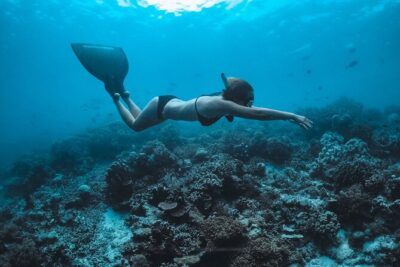
Snorkeling and Freediving Trip around Nusa Penida
Read our review →
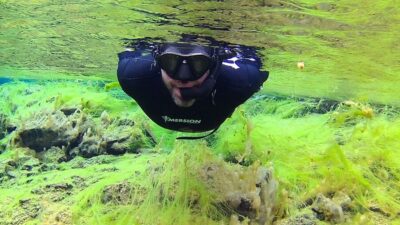
Thingvellir: Silfra Freedive Adevnture with a Guide
Read our review →
Krabi: Freediving and Snorkeling at Yawasam and Talu Island
Read our review →
Freedive trip Koh Kood or Koh Rang National Park ( start at Ko Kut)
Read our review →
Browse the lists this tour appears in