
REVIEW · ITALY
Snorkeling among the Submerged Archaeological Finds of Baia da Napoli
Ancient Rome lies beneath the waves here. At Baia, near Naples, you can spend about four hours exploring a protected underwater archaeological site where mosaics, statues, columns, walls, and other Roman remains rest below the surface. The outing combines a short boat trip, two underwater sessions in separate locations, and an introduction to the site before you enter the water.
I especially like the small maximum group of four, which should make the outing feel personal and give the guide room to help each person. I also like that the water is shallow, reaching about 20 feet, making the experience approachable for first-timers as well as experienced scuba users. The main drawback is the extra transportation charge from Naples: an air-conditioned vehicle costs €65, paid directly to the driver, so the total price can rise quickly for solo visitors or couples.
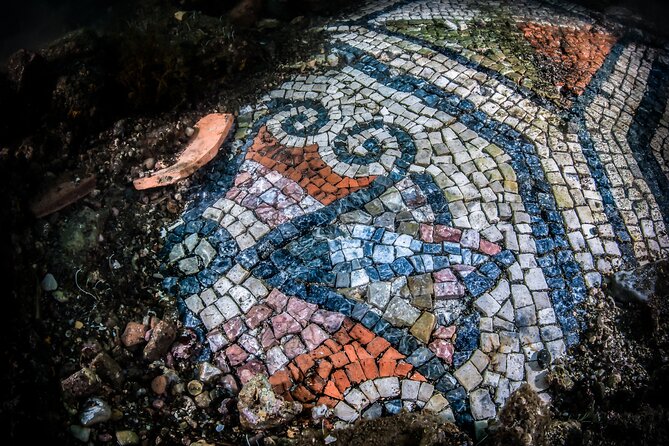
The underwater ruins are the real prize. You are not simply looking at marine life or practicing skills in open water. You are moving through the remains of a Roman coastal settlement, with mosaics and marble pieces appearing among the sea life. The setting is unusual enough to justify the cost, but weather can cancel the outing, and you need to be comfortable in the water.
Key points to know before booking
- Roman ruins at about 20 feet: The shallow site suits beginners and keeps the ancient remains easy to view.
- Two underwater locations: You visit two different spots, each offering its own view of Baia’s submerged remains.
- Small group of four: The limited size allows close support from the guide and less waiting around.
- Carlo and Alex are praised by name: Carlo is described as an encouraging divemaster with strong English, while Alex receives warm praise for helping nervous or non-diving participants.
- Beginners are welcome: Previous experience is not required, and the instructors explain the basics before entering the water.
- Budget for transport: The listed price is $126.71 per person, but transport from Naples adds €65 for an air-conditioned vehicle, paid directly to the driver.
Why Baia’s sunken ruins are so unusual
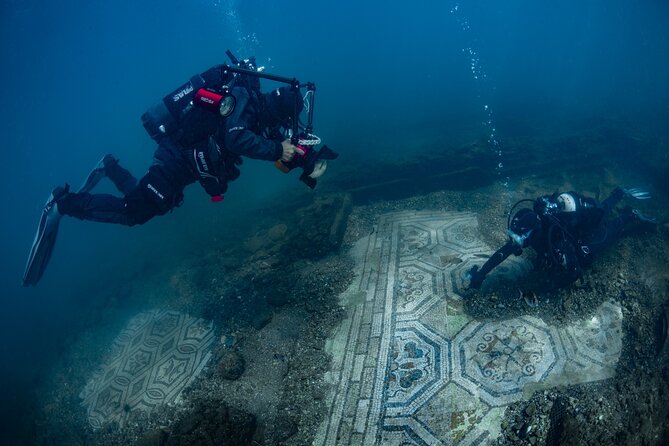
Baia was once a Roman coastal resort, and parts of its built environment now sit underwater. That gives you a rare kind of archaeological visit. Instead of walking past walls behind a barrier, you view ancient remains from the water, with light shifting over mosaics and fish moving through the site.
The experience is not built around a single grand monument. Its appeal comes from the scattered details: sections of city wall, statues, columns, vases, and decorated floors. One especially useful point is that the instructors explain the site’s history and layout before you enter the water. That briefing helps you recognize what you are seeing instead of treating every pale stone as an ordinary rock.
I like this kind of visit because it joins archaeology with a physical sense of place. You are not only hearing about Roman life in Baia. You are looking at the remains from the same sea that once served the settlement.
The site is also shallow enough to feel manageable. The maximum depth is about 20 feet, so you do not need to be comfortable with deep water to appreciate the ruins. The warm season can be pleasant too. In mid-July, the water was reported at about 80 degrees, though conditions can vary and poor weather may lead to a cancellation or a new date.
More Snorkelling Trips in Italy:
- Polignano a Mare luxury boat tour, aperitif, diving and snorkeling
★ 5.0 · 51 reviews - Snorkeling and Diving in the Gulf of Tavolara with Fishing
★ 5.0 · 6 reviews - Great Barrier Reef Snorkeling and Diving Cruise from Cairns
★ 4.5 · 3,714 reviews
What the four-hour outing is likely to feel like
The full activity takes about four hours. That gives the staff time to prepare you, explain the archaeological area, reach the underwater locations, and arrange two separate sessions.
The outing begins with preparation and instruction. If you have never used scuba equipment before, the instructors go over the basics and offer guidance before you enter the water. That matters here because the site is historically important, and you want enough confidence to look around rather than spend the entire session thinking about your equipment.
The guide remains with you during the underwater visits. That is reassuring for a first attempt, particularly when you are trying to control your breathing, keep a steady position, and take in the ruins at the same time. Experienced scuba users may find the instruction familiar, but the shallow depth and unusual setting still make the trip worthwhile.
You then visit two different underwater areas. Each location gives you another chance to see the remains from a different angle. The sessions are not simply a repeat of the same view, which helps justify the half-day commitment.
One reported underwater session lasted 39 minutes. That gives you a useful sense of the pace, although the exact length can vary with conditions, group needs, and the plan for the day. The boat ride from the dock to the site is only a few minutes, so you spend most of your time on the archaeological experience rather than on a long transfer across the bay.
Mosaics, statues, and walls beneath the surface
The underwater sights are what make this outing memorable. Expect to look for mosaics, statues, ancient columns, sections of wall, and a vase. These objects may not appear as one perfectly preserved Roman room. Instead, they form a spread of archaeological remains that you view gradually as the guide points them out.
Mosaics are especially rewarding underwater because the changing light can make their patterns appear and disappear as you move. Statues and marble fragments give you a stronger sense of the site’s former decoration. The city wall helps you read the area as part of a real settlement rather than a collection of isolated objects.
Sea life is part of the view too. It does not replace the ruins, but fish and underwater growth give the site a living quality. Bring a waterproof camera if you have one and if you are comfortable using it without losing awareness of the group or the guide. The chance to photograph Roman remains below the water is one of the clearest reasons this activity feels different from a normal archaeological visit.
You should also keep your expectations realistic. This is not a museum display with bright lighting and every object labeled at close range. Visibility, weather, and your position in the group affect what you can see. The guide’s explanation before the underwater session is therefore important. Listen carefully, because the context will help you identify the remains once you are below the surface.
Support for beginners, with Carlo and Alex in the picture
The strongest part of the experience is the personal support. Carlo is identified as the divemaster, with a good sense of humor and strong English. That combination can make a real difference when you are learning unfamiliar equipment or feeling tense before entering the water.
Alex is also singled out for being helpful and encouraging. The guidance is not limited to people with previous experience. A first-time participant described the instructors as patient, while another person who does not normally scuba was still able to see frescos, walls, a vase, marble, and sea life.
That does not mean the activity is effortless. You still need to be willing to follow instructions and stay calm in the water. But the teaching approach appears suited to people who want to try scuba in a controlled, shallow setting rather than commit to a more demanding open-water program.
If you already scuba regularly, you may find the depth modest. Still, the purpose here is not a technical challenge. It is the chance to see an archaeological site that cannot be experienced from land. Strong swimmers and experienced scuba users may appreciate the unusual setting more than the physical difficulty.
Same coastline, a very different dive:
- Catania: Gulf Scuba Diving Tour with Marine Biologist
★ 4.9 · 212 reviews - Diving for patented divers
★ 5.0 · 175 reviews - Diving for certified divers with PADI 5* Diving Resort – Taormina
★ 5.0 · 167 reviews - TuffAlcantara – dives, slides and lots of fun in the Alcantara river
★ 5.0 · 106 reviews
The short boat ride and the Naples transfer question
The local boat ride to the underwater site takes only a few minutes from the dock. That is good news if you dislike long crossings or tend to feel seasick. It also keeps the focus on the ruins rather than turning the outing into a full-day boat cruise.
Getting from Naples to the starting point is a separate budget concern. Pickup is offered, but an air-conditioned vehicle from Naples costs €65, paid directly to the driver. The supplied details do not say whether that fee is per vehicle or per person, so confirm the arrangement before you commit. For a couple or small group sharing the cost, it may be reasonable. For one person, it can make the total considerably higher than the advertised per-person rate.
The listed experience price is $126.71 per person. That includes scuba equipment, bottled water, and all fees and taxes. The extra vehicle charge means you should compare the full door-to-door cost, not just the headline price.
For me, the value is strongest when you care about archaeology and want a rare activity. A standard boat ride or a land-based visit costs less, but neither lets you look at Roman mosaics from underwater. If that difference matters to you, the added expense has a clear purpose.
A small group changes the whole experience
The maximum group size is four people. That is one of the best practical features because underwater activities can feel crowded when too many participants follow one guide.
A group of four should give you more time to ask questions before entering the water and more room to receive individual help. It can also make the two locations easier to enjoy without feeling rushed by a large procession of people.
The small size does not guarantee that every moment will be private. You are still sharing the guide, boat, and archaeological site with others. But compared with a large commercial outing, four people is a reassuring limit, especially for beginners.
The format also suits families with older children or young adults, provided each person can participate safely. An 18-year-old with no previous experience was described as finding the activity ideal. That suggests the outing can work well for a mixed group, with some experienced participants and one person trying scuba for the first time.
Who should book this Baia experience
I would recommend it most strongly to three kinds of people:
- You are fascinated by Roman archaeology and want a view that a normal land visit cannot provide.
- You are new to scuba and prefer shallow water, close guidance, and a small group.
- You already use scuba equipment and want an unusual cultural activity rather than another ordinary reef outing.
It also suits couples and families who enjoy trying something different together. The instructors’ patient approach makes it less intimidating than the word scuba may suggest.
I would be more cautious if you dislike being in the water, want a dry archaeological tour, or need a fixed schedule. The experience depends on good weather, and poor conditions can lead to a new date or a full refund. You should also think carefully about the extra transport fee from Naples before deciding that the price fits your budget.
The outing is offered in English, which helps if you want the site explanation and safety briefing in that language. Confirmation is provided when you book, and most people can participate. The information does not promise a specific level of physical access or describe every medical requirement, so ask the provider directly if you have a condition that could affect underwater activity.
What to bring and how to prepare
The activity includes scuba equipment and bottled water, so you do not need to arrange the basic gear yourself. A waterproof camera is worth considering if you already own one. The underwater ruins and sea life give you something distinctive to photograph, although you should still pay attention to the guide.
Wear a swimsuit and arrive ready for a water-based activity. Since the exact weather and water conditions can change, it is sensible to bring a dry layer for afterward. That is general preparation rather than a stated requirement, but it can make the return trip more comfortable.
Before entering the water, pay attention to the explanation of the site layout. Knowing where mosaics, walls, and columns may be located will help you get more from the session. You are there to look closely, not just to collect underwater photographs.
If your party includes a beginner, let the instructors set the pace. The shallow depth is helpful, but confidence still develops one step at a time. Carlo, Alex, and the other instructors can assist, but good communication from you is part of making the experience work.
Booking, cancellations, and weather
You can cancel up to 24 hours before the start time for a full refund. Cancellations made less than 24 hours before the activity do not receive a refund, and changes within that same period are not accepted. The cut-off follows local time in Italy.
Weather matters because this is an outdoor, water-based experience. If poor conditions force cancellation, you are offered another date or a full refund. That policy makes the weather risk easier to accept, but you should avoid placing this activity on the one day when missing it would ruin your entire Naples schedule.
The experience is often reserved about 34 days ahead. If your dates are fixed, booking early is sensible, especially because the group is limited to four people. That small capacity is good for the experience but gives it less flexibility during busy periods.
Is snorkeling among Baia’s ruins worth it?
For the right person, yes. The appeal is not luxury transport or a long list of included extras. It is the rare chance to view Roman mosaics, statues, columns, walls, and other remains from underwater, with a guide beside you and only a few people in the group.
I would book this if you want an active archaeological visit, have at least a basic comfort with water, and can accept the extra €65 transport charge from Naples. Beginners should feel encouraged by the shallow 20-foot maximum and the patient instruction, while experienced scuba users should come for the setting rather than the depth.
I would skip it if you prefer a dry, predictable museum visit or if the added transport cost stretches your budget. Otherwise, this is a memorable way to connect Naples with the Roman world, one mosaic and marble fragment at a time.
FAQ
How long does the Baia underwater ruins experience last?
The experience lasts approximately four hours, including preparation, travel by boat, and two underwater sessions at different locations.
How deep is the underwater site?
The maximum depth is about 20 feet, which makes the site suitable for beginners as well as people with previous scuba experience.
How many underwater locations will I visit?
You visit two different underwater locations during the experience.
Is scuba equipment included?
Yes. Use of scuba equipment is included in the price, along with bottled water and all fees and taxes.
Is transportation from Naples included?
Pickup is offered, but an air-conditioned vehicle from Naples costs €65, paid directly to the driver.
Is the experience offered in English?
Yes. The experience is offered in English.
Can beginners participate?
Yes. Most people can participate, and the instructors explain the basics and provide guidance. The activity has also been used by people who had never scuba dived before.
What happens if bad weather cancels the activity?
If poor weather causes cancellation, you can choose another date or receive a full refund. You can also cancel for a full refund if you do so at least 24 hours before the scheduled start time.
New dives around Italy
- Villasimius: Scuba Dive in Capo Carbona without Certificate★ 4.9 · 23 reviews
- Villasimius: Capo Carbonara First Time Dive with Instructor★ 4.9 · 50 reviews
- Discover Scuba diving in Calabria, Italy★ 4.5 · 3 reviews
- Scuba diving in Calabria, Italy★ 5.0 · 23 reviews
- Discover Scuba Diving PADI – Trial dive in Sorrento★ 5.0 · 2 reviews
- Double dive in the Punta Campanella Marine Protected Area★ 5.0 · 11 reviews
- Guided diving for beginners without certification from Sorrento★ 5.0 · 22 reviews
- Syracuse: Ortigia Deep Dive Cultural Tour (max 6 Guests)★ 5.0 · 9 reviews
Snorkeling, compared.

Great Barrier Reef Snorkeling and Diving Cruise from Cairns
Read our review →
Ocean Freedom Great Barrier Reef Luxury Snorkel and Dive Cruise
Read our review →
Cairns: Premium Snorkelling and Diving Reef Day Trip
Read our review →
Cairns: Outer and Coral Cay Snorkel and Dive Cruise
Read our review →
Sharm El Sheikh: Ras Mohamed & White Island Dive & Snorkel
Read our review →
Hurghada: Snorkeling 6 x 1 to Orange Bay w Diving & Massage
Read our review →
Snorkel & Dive the Reef: Sustainable, Scientific & Cultural Tour
Read our review →
Port Douglas: Outer Barrier Reef Snorkel and Dive Options
Read our review →Browse the lists this tour appears in