
REVIEW · SPAIN
Tossa de Mar: Scuba Diving Experience for Beginners
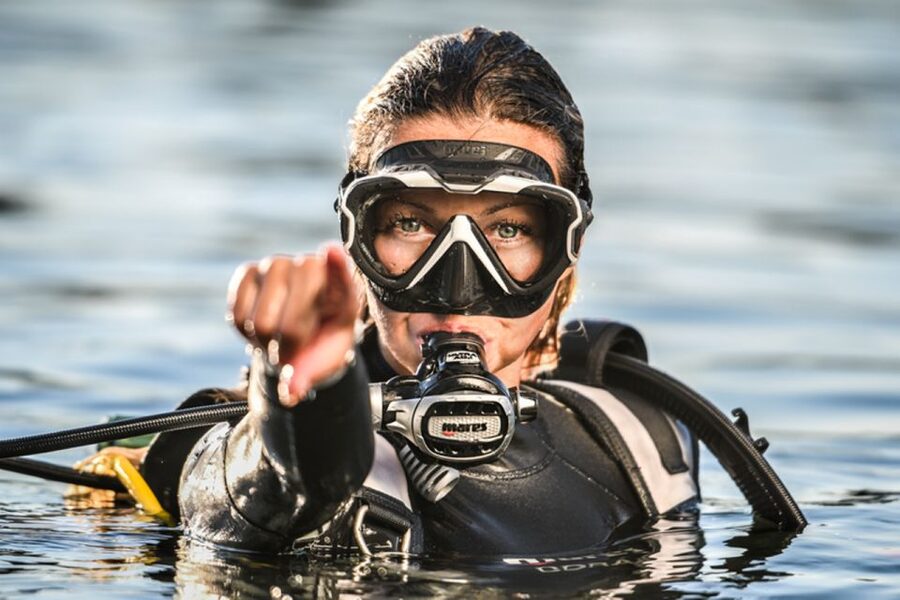
Underwater Tossa is easier than it looks. This three-hour SSI Try Scuba experience gives beginners a careful introduction to breathing, equipment, movement, and communication below the surface. I especially like the small groups of up to six and the patient guidance from instructors such as Uri, David, Mark, and Pep. You also get equipment and insurance included, which keeps the $91 price fairly reasonable.
The main trade-off is that this is a first taste, not a full certification course. You spend much of the session learning and getting comfortable before reaching a maximum depth of 12 meters for about 40 to 45 minutes. You must also arrive on time, complete a medical questionnaire, and meet strict health and age rules.
Quick points to know
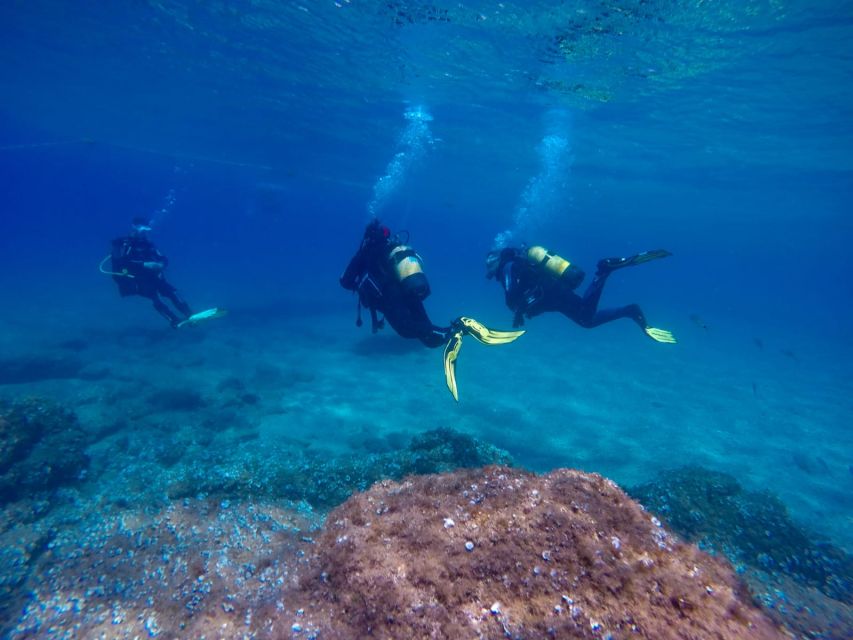
- Your first underwater session lasts about 40 to 45 minutes, with a maximum depth of 12 meters.
- Instruction comes before the beach entry, covering breathing, equipment, movement, and hand signals.
- Groups are limited to six people, allowing instructors to keep close watch on beginners and children.
- The price includes scuba equipment and insurance, but you need to bring swimwear, a towel, and flip-flops.
- Sea life can include fish, jellyfish, and octopuses, depending on conditions and luck.
- Children from age eight can participate, but they need parental or guardian authorization.
Starting at Tossasub Diving Center
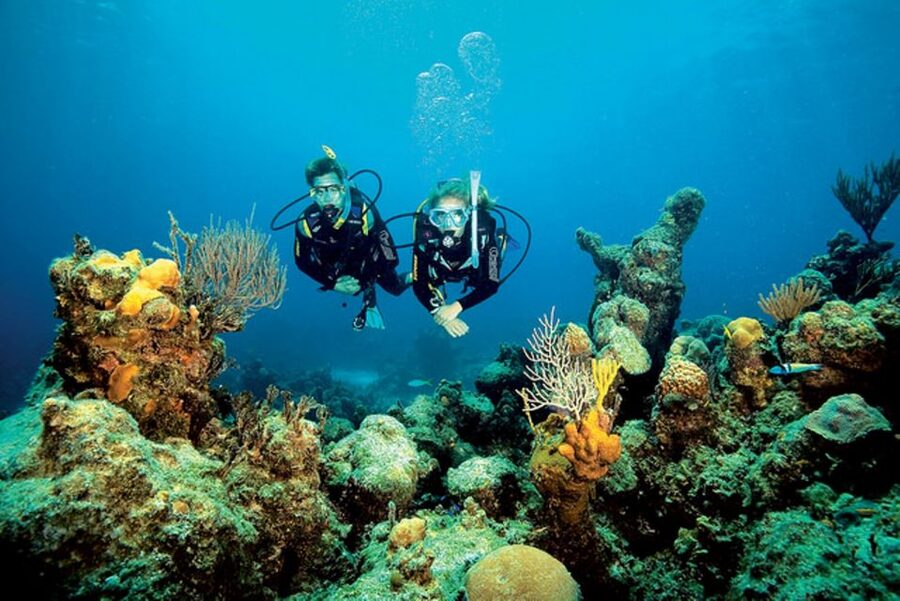
You meet at Tossasub Diving Center in Tossa de Mar. Redeem your voucher at the ticket counter before the activity begins, and take the start time seriously. Late arrivals are not admitted once the session has started, a fair rule when equipment, safety checks, and a small group are involved.
The center provides the necessary scuba gear and both diving and liability insurance. You still need to bring your own bathing suit, towel, and shower sandals or flip-flops. After the underwater session, you can return to the center to shower and change.
The three-hour duration includes the briefing, equipment setup, water entry, underwater time, and return to the center. It is not three hours spent below the surface, so plan your day with that in mind. You will need enough time before the appointment to arrive, change, and complete the required medical questionnaire.
The activity runs in rain or shine. That does not mean sea conditions are ignored, but it does mean you should not book this expecting an easy weather-based change of plan. Free cancellation is available up to 24 hours in advance, and you can reserve now and pay later if you want more flexibility.
More Scuba Diving for Beginners in Spain
- Mallorca: Discover Scuba Diving for Beginners
★ 4.7 · 805 reviews - Tenerife: Beginner’s Dive at a Spot with Turtle Sightings
★ 4.7 · 627 reviews - Scuba Diving Experience for Beginners in Gran Canaria
★ 5.0 · 561 reviews
The pre-water lesson: breathing, balance, and hand signals
The most important part of this experience takes place before you enter the water. Your instructor explains how the equipment works, how to breathe through the regulator, how to move, and how to communicate underwater with basic hand signals.
For a first-timer, this lesson matters more than it may sound. Breathing through a regulator can feel strange at first, and the underwater setting removes some familiar comforts. The instructors focus on helping you stay calm and get used to the equipment before asking you to manage the full experience.
The introduction is designed to give you enough information without burying you in technical detail. Hannah from Germany described the theory as balanced, with a useful explanation of the equipment and what would happen without too much information at once. That is the right approach for a short beginner session.
You will also learn how to handle the lack of normal gravity underwater. This does not mean you are weightless in the strict scientific sense, but your body moves differently and small changes in position matter. The instructor shows you how to control your movement and follow basic directions.
The program forms part of the SSI Try Scuba route. After completing it successfully, you can receive an SSI Try Scuba recognition rating. This is useful as a record of your first experience, but it is not the same as completing a full Open Water Diver certification.
Getting fitted with equipment
Once the lesson is finished, the staff helps you put on the supplied equipment. Proper fit matters, especially with the mask and air supply, and the center makes adjustments before you leave for the water.
One useful detail for visitors who wear glasses: corrective-lens masks may be available. Hannah specifically noted that she was offered a mask with corrective lenses. You should still mention your eyesight needs when booking or arriving, since availability and suitability can depend on the equipment at the center.
The gear can feel bulky on land. That is normal, and the instructor remains nearby while you get ready. Do not rush this stage. If the mask feels uncomfortable or the breathing setup does not seem right, say so before entering the water.
The reviews of the experience repeatedly point to the staff’s calm manner. Uri is praised for making the activity feel easy, while David is noted for explaining the process clearly. Mark and Pep also receive praise for keeping close watch and helping with equipment problems. The names may vary by date, but the practical point is consistent: you are not left to figure out the kit on your own.
Entering the water from the beach
The first underwater session begins from the beach. You put on the equipment and enter the water with the instructor, who supervises the group closely.
A beach entry is a sensible choice for beginners because it avoids the extra demands of boarding a boat and jumping into deeper water. You can take your first steps into the sea gradually, then work with the instructor as you become comfortable.
The session reaches a maximum depth of 12 meters. That is substantial enough to give you a real sense of scuba travel, but it remains within the limits set for this entry-level program. Your actual depth and route depend on your comfort, the instructor, and conditions on the day.
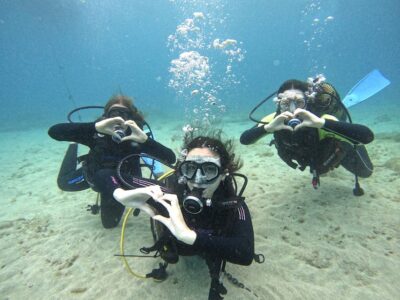
For around 40 to 45 minutes, you practice the basics while looking at the underwater surroundings. You may see schools of fish, rock formations, a jellyfish, or an octopus tucked among the rocks. These sightings are not guaranteed, but several participants saw octopuses, and that can be a memorable reward for staying patient and observant.
Do not expect a tropical coral garden. One participant specifically warned visitors from India not to arrive expecting the coral scenes shown in the film Zindagi Na Milegi Dobara. That is useful advice. The appeal here is a Mediterranean underwater setting, beginner-friendly instruction, and the excitement of seeing local marine life, not a tropical reef spectacle.
More Beginner Dives in Spain:
- Tenerife First Time Scuba Dive – Turtle Habitat, Small Groups
★ 4.5 · 456 reviews - Gran Canaria: Try Scuba Diving for Beginners
★ 4.9 · 403 reviews - Beginners Scuba Diving Experience in Gran Canaria
★ 5.0 · 254 reviews - Lanzarote: Intro to Diving Experience for Beginners
★ 5.0 · 244 reviews
What makes the small group useful
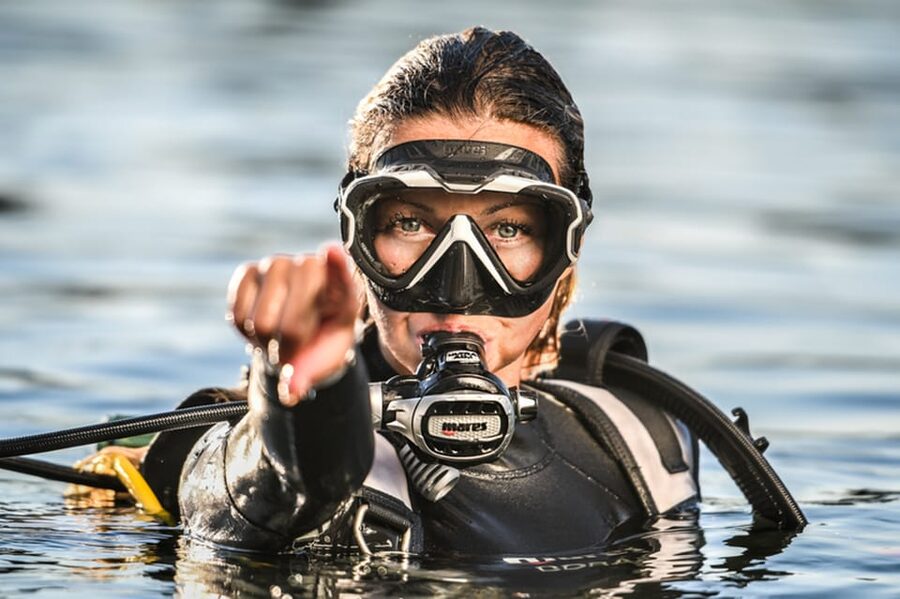
The group limit of six is one of the strongest features of the session. Beginners often need different amounts of time to clear their minds, adjust their breathing, or handle a piece of equipment. A smaller group gives the instructor a better chance to notice those moments.
This matters even more for families. Parents can relax more when the instructors are focused on the children and watching their progress. A family with children aged nine, twelve, and fourteen described having two experienced guides nearby, including help when equipment issues came up.
Children from age eight may take part, with parental or guardian authorization. You must indicate during booking if children aged eight to fifteen are joining. Children under eight cannot participate, and unaccompanied minors are not accepted.
The experience may suit a family with mixed confidence levels, but it is not a casual swim with an air tank. Every participant must listen carefully, follow instructions, and be comfortable in the water. Non-swimmers are not considered suitable for the activity.
Marine life and underwater photographs
The sea life is a welcome extra rather than the sole reason to book. The most commonly noted sightings include fish, an octopus, and occasionally a jellyfish. The underwater setting also includes rocks and spaces where marine creatures can shelter.
An octopus is never something a guide can promise, but the instructors know how to lead a beginner group without turning the session into a race. You have time to look around while still following the planned route and safety instructions.
The guides may also take photographs during the underwater portion. This gives you a way to remember the experience without worrying about carrying your own camera. Ask how the photographs are handled on your date, since the supplied details confirm that guides take pictures but do not specify delivery timing or format.
The main value is the experience itself: learning to breathe underwater, controlling your body, and noticing marine life at close range. The photographs are a pleasant bonus.
Is $91 good value?
At $91 per person, this is not the cheapest water activity in Catalonia. It is also more than a simple snorkeling session. The price includes the equipment, diving insurance, and liability insurance, as well as instruction from a qualified dive center and a small group setting.
That package makes the cost easier to justify for a complete beginner. You do not need to purchase or rent the main equipment separately, and you receive structured instruction before entering the sea. The small group also has real value because personal attention is important during a first scuba experience.
The price is less attractive if you already hold an active certification and are looking for a longer, more advanced underwater outing. This session is built for beginners and for people whose old certification has lapsed, not for independent certified exploration.
I would also factor in the three-hour commitment. You need time for the lesson and equipment preparation, not only the 40 to 45 minutes in the water. For a first experience, that pace is sensible. It gives you room to ask questions and settle down instead of rushing straight into the sea.
Health rules and practical limits
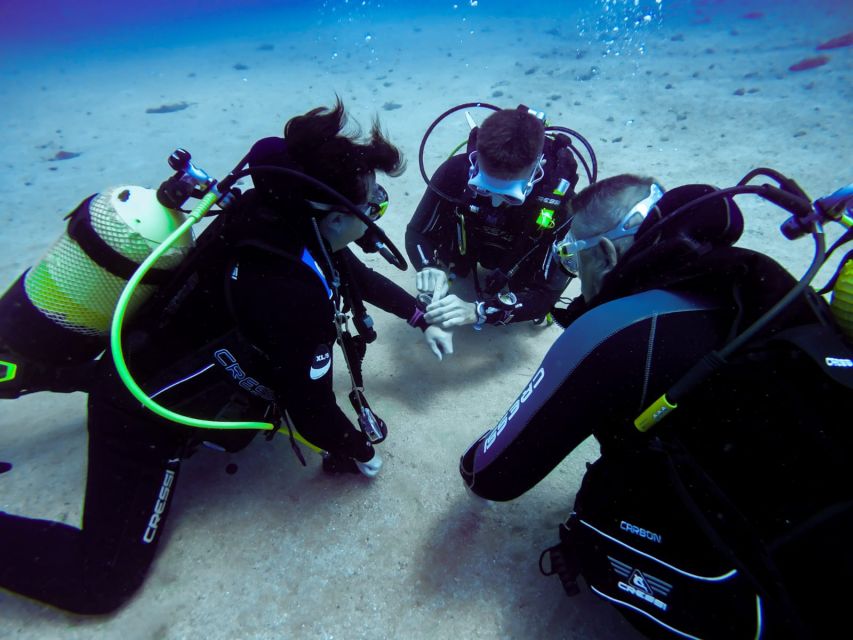
You must complete a medical questionnaire supplied by the center. The activity is not recommended for people with heart, respiratory, ear, kidney, or other pre-existing medical conditions. It is also not suitable for people with epilepsy, diabetes, high blood pressure, recent surgeries, recent eye problems, or pregnancy.
The restrictions are important, not fine print to skim. Scuba equipment and pressure changes place demands on your body, especially your ears and breathing system. If you have any concern, seek medical advice before booking rather than hoping the questionnaire will sort it out on the day.
You should also wait at least 12 hours after the activity before flying. Build that gap into your itinerary. Scheduling the session immediately before a flight is a poor choice, even if the rest of your day appears free.
Alcohol and drugs are not allowed. The center also asks you not to touch plants underwater. That protects the marine setting and keeps your hands where they belong, on your own equipment or under the instructor’s direction.
Languages, timing, and family fit
Instruction is available in Catalan, English, French, and Spanish. That makes the experience practical for a wide range of visitors, but you should select the language you need when booking or confirm it before the session.
The activity starts promptly. Arrive early enough to find Tossasub Diving Center, redeem your voucher, change, and handle the medical form. The no-late-entry rule may be frustrating if you miss the start, but the group cannot reasonably pause a safety briefing for late arrivals.
I think this works best for:
- First-time scuba participants who want a guided introduction.
- Families with children aged eight and older who meet the health rules.
- Adults who once held certification but have not been underwater for years.
- Visitors who prefer a small group to a large commercial outing.
- Anyone curious about scuba but not ready to commit to a full certification course.
It is a poor fit for non-swimmers, pregnant people, anyone with the listed medical concerns, or visitors seeking a full-day technical or certification program.
Should you book this Tossa de Mar experience?
Book it if you want a careful first step into scuba, especially if friendly instruction and close supervision matter more to you than a long underwater route. The strongest reasons are the six-person group limit, the patient teaching, the included equipment and insurance, and the chance to see Mediterranean fish or an octopus.
I would book it for a family only after checking the health rules and confirming that every child is comfortable in the water. For adults, the $91 cost is fair when you value the equipment, insurance, instructor support, and formal SSI Try Scuba recognition.
Do not book it expecting tropical coral, unlimited underwater time, or a full diving license. Book it for a well-managed introduction, a memorable 40-minute underwater session, and a chance to decide if you want to continue with the Open Water Diver course.
FAQ
How long does the Tossa de Mar scuba experience last?
The full activity lasts three hours. The underwater portion lasts around 40 to 45 minutes, with a maximum depth of 12 meters.
What is included in the price?
The $91 price includes diving equipment, diving insurance, and liability insurance.
What should I bring?
Bring swimwear, a towel, and flip-flops or shower sandals.
Can children participate?
Children from age eight can participate with parental or guardian authorization. You must indicate during booking if children aged eight to fifteen are joining. Children under eight and unaccompanied minors are not accepted.
Do I need to be an experienced swimmer?
You do not need prior scuba experience, but non-swimmers are not suitable for this activity. You must be able to follow the instructor’s directions and complete the medical questionnaire.
What languages are available?
The instructors can provide the activity in Catalan, English, French, or Spanish.
Can I fly after the activity?
You should wait at least 12 hours after the activity before flying.
New dives around Spain
- Tenerife: 2 Diving Sessions for Certified Divers★ 4.2 · 7 reviews
- TRY SCUBA – Experience for beginners★ 5.0 · 2 reviews
- Lanzarote: Beginner Scuba Diving from the Beach★ 5.0 · 2 reviews
- Beginner Scuba Dive with Scubapoint Tenerife in Turtle Area★ 4.7 · 8 reviews
- Scuba Experience in Tenerife with Guide★ 5.0 · 30 reviews
- Try Scuba Diving Puerto Colon★ 5.0 · 2 reviews
- Scuba Diving in Turtle and Ray Area★ 5.0 · 7 reviews
- Scuba Night Dive on Tenerife★ 5.0 · 6 reviews
Scuba Diving for Beginners, compared.
First-Time Scuba Diving in Honolulu + Free Videos
Read our review →
Beginner Scuba Diving with Turtles and Videos, San Juan
Read our review →
Intro Diving 2 Stops For Beginners with Pick-up and Lunch – Hurghada
Read our review →
Intro Diving Beginner and Discover Red Sea Underwater
Read our review →
Beginner Scuba Diving Experience with Video Package in Honolulu
Read our review →
Tenerife: Beginner’s Dive at a Spot with Turtle Sightings
Read our review →Browse the lists this tour appears in