
REVIEW · SICILY
Catania: Scuba Diving Experience
The sea tells Catania’s story. This two-hour scuba experience takes you into the Ionian Sea beside ancient lava flows, submerged caves, and underwater volcanic rock. I like the five-meter maximum depth, which keeps the session manageable for beginners, and the small groups, limited to six people, which allow instructors to give close attention.
I also like the calm, careful teaching praised by people who worked with Samantha, Bruno, and Vicki. New swimmers received patient help with breathing and nerves. The main consideration is that this is a short introductory session, not a full certification course, and the $94 price may feel high for two hours if you already have scuba experience.
Key points at a glance
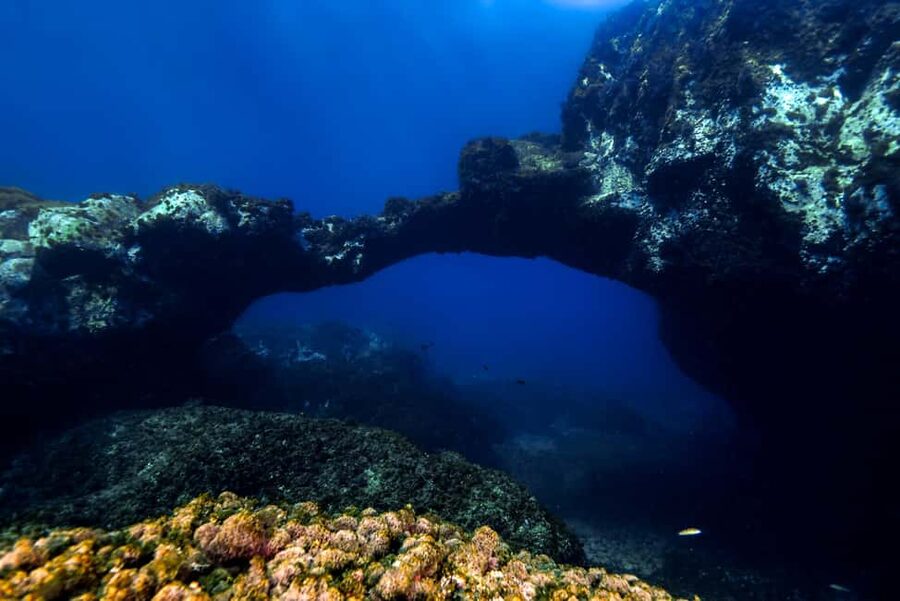
- Ancient lava beneath the sea: See seabed shaped by lava flows, including the last flow to reach the coast about 15,000 years ago.
- Beginner-friendly depth: The session reaches no more than 5 meters, with an instructor beside you.
- Small groups: A maximum of six participants makes it easier to receive personal help.
- Patient multilingual guides: Instruction is available in Italian, English, French, Spanish, and German.
- Useful extras: Equipment, a post-session snack, and photos are included.
- Important altitude rule: Do not go above 600 meters, including Etna, or take a flight for at least 12 hours afterward.
A first look beneath Catania’s Ionian coast
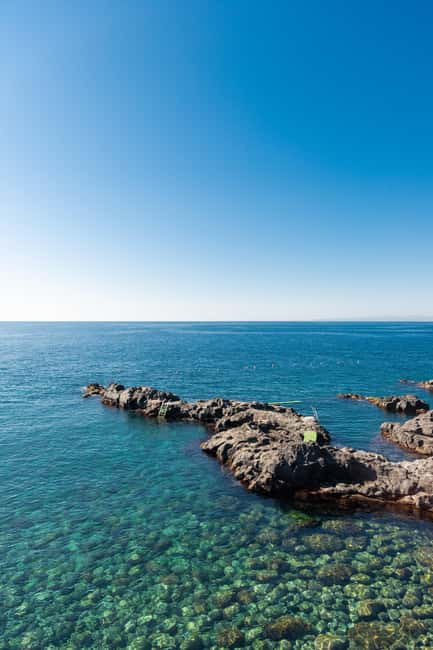
Catania is famous for Mount Etna, but its volcanic character continues below the water. Along the Ionian coast, old lava flows form the seabed. Here, the black rock is not just scenery. It explains the shape of the coast, the caves below the surface, and the places where marine life gathers.
This experience gives you a gentle introduction to that underwater world. You are not being sent into deep water or expected to manage a demanding technical route. The maximum depth is 5 meters, and an instructor stays involved from the first equipment briefing through the final return to shore.
I see this as a good choice for someone curious about scuba but unsure about committing to a full course. It gives you a real taste of breathing underwater, moving with fins, and watching sea life in its own setting. It also lets you find out how comfortable you are before spending more time and money on certification.
The setting is the Camping Jonio in Catania. The camping location may sound less polished than a grand marina, but it is simply the meeting point for the diving center. The center is easy to find, and the coastal position means the water experience begins without a long transfer.
A few more dives around Italy worth comparing
- Catania: Gulf Scuba Diving Tour with Marine Biologist
★ 4.9 · 212 reviews - Diving for patented divers
★ 5.0 · 175 reviews - Diving for certified divers with PADI 5* Diving Resort – Taormina
★ 5.0 · 167 reviews
What happens during the two-hour session
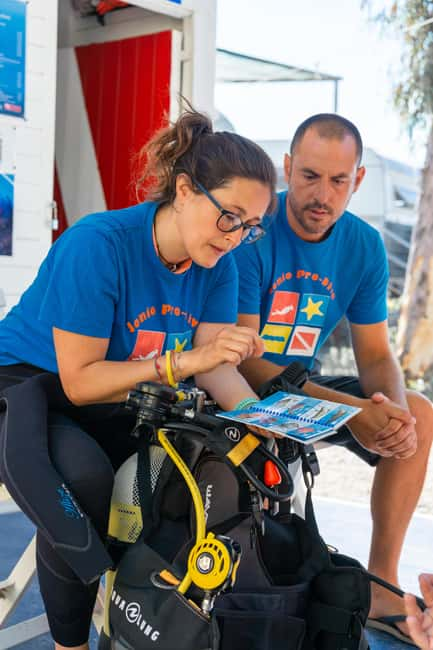
The schedule is compact, but it has several clear stages. You meet at the diving center at your booked time, introduce yourself, register, and check in. This is when you should tell the staff if you are nervous, have questions about the equipment, or need instructions repeated in a particular language.
The staff then provides the full set of gear:
- Wetsuit
- Mask
- Fins
- Buoyancy jacket
- Regulator
- Tank
- Weights
You need to bring your own swimsuit, beach towel, and flip-flops. That is easy to overlook, especially if this is one stop within a busy Catania itinerary. Pack those items before leaving your hotel.
The equipment briefing is an important part of the session. You learn what each item does and receive an explanation of the plan. The instructors are particularly praised for speaking clearly and calmly. That matters because a mask, regulator, tank, and buoyancy jacket can feel like a lot to handle when you have never used them before.
Once everyone is ready, you enter the water with the instructor. The underwater portion focuses on the coast around Catania rather than on reaching a great depth. You can expect attention on the volcanic seabed, lava formations, underwater cavities, fish, and possibly octopus.
After coming out of the water, the group has a short debriefing. A snack is offered, and photos are taken before you leave. Those final moments are useful because you can ask questions while the experience is still fresh, and the photos give you a record of your first time below the surface.
Why the five-meter limit helps beginners
Five meters is shallow by scuba standards, and that is exactly the point. If you are nervous, a shallow session gives you a more approachable setting in which to practise breathing and basic movement. The instructor can keep the experience focused on comfort, control, and observation rather than on endurance or complex skills.
The reviews show how important this support can be. One participant described using oxygen faster than the others and appreciated that the instructor remained cautious. Another had trouble breathing and needed help calming down. Several first-timers initially panicked when they entered the water, then managed to enjoy the session after patient explanations and encouragement.
Samantha receives especially warm praise for her patience and reassuring manner. Bruno is also singled out as a guide who helped people feel comfortable, while Vicki is praised for helping a nervous participant settle down. These comments suggest that the human side of the experience is one of its strongest features.
Still, shallow water does not mean the session is effortless. You must be in good health, listen closely, and be willing to follow instructions. Non-swimmers cannot take part. The activity is also not suitable for children under 10 or for pregnant women.
Lava flows, caves, and marine life
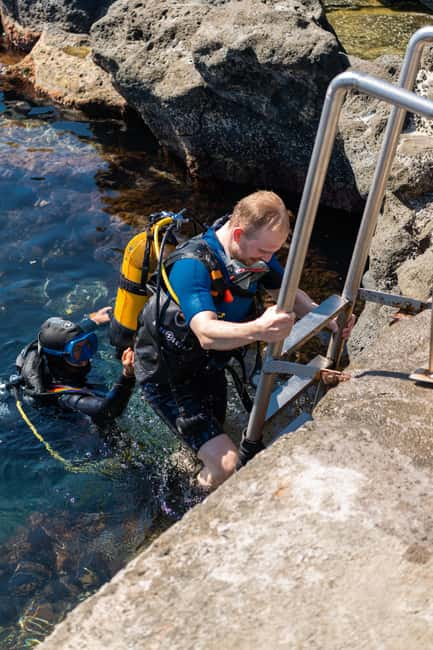
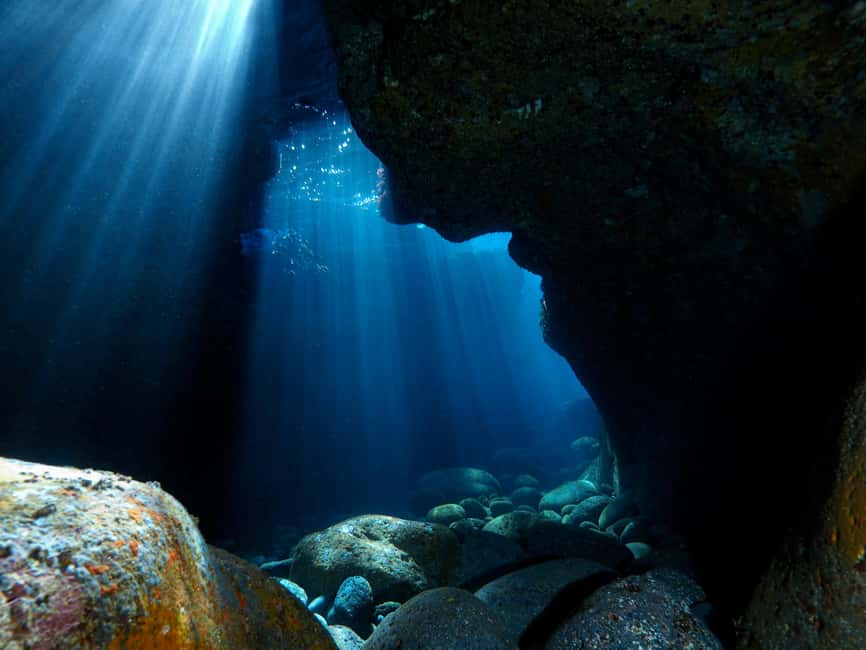
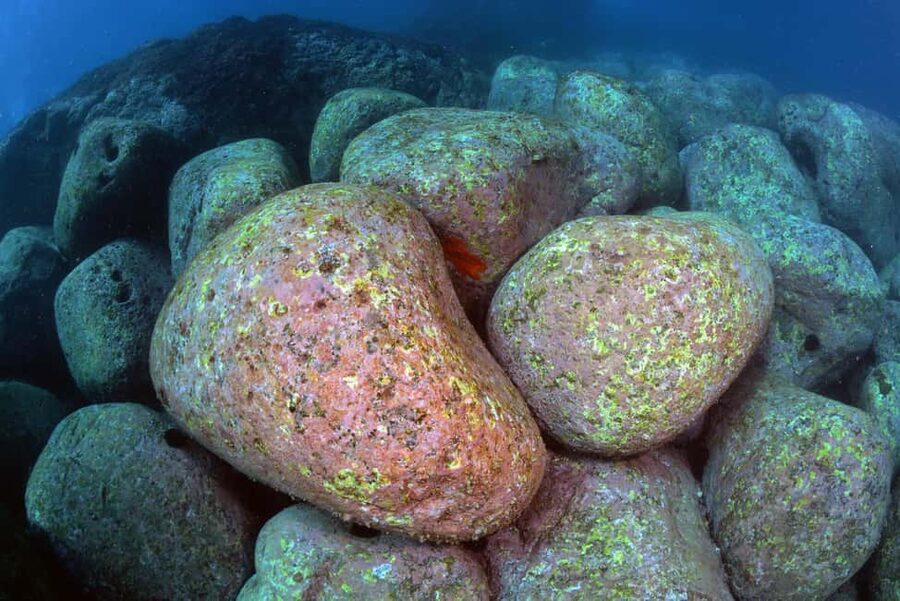
The best reason to choose this experience is the setting below the surface. Ancient lava has created an uneven seabed with hard rock, hollows, and submerged caves. The last lava flow to reach the sea in this area dates to approximately 15,000 years ago, giving the underwater route a clear connection to Sicily’s volcanic past.
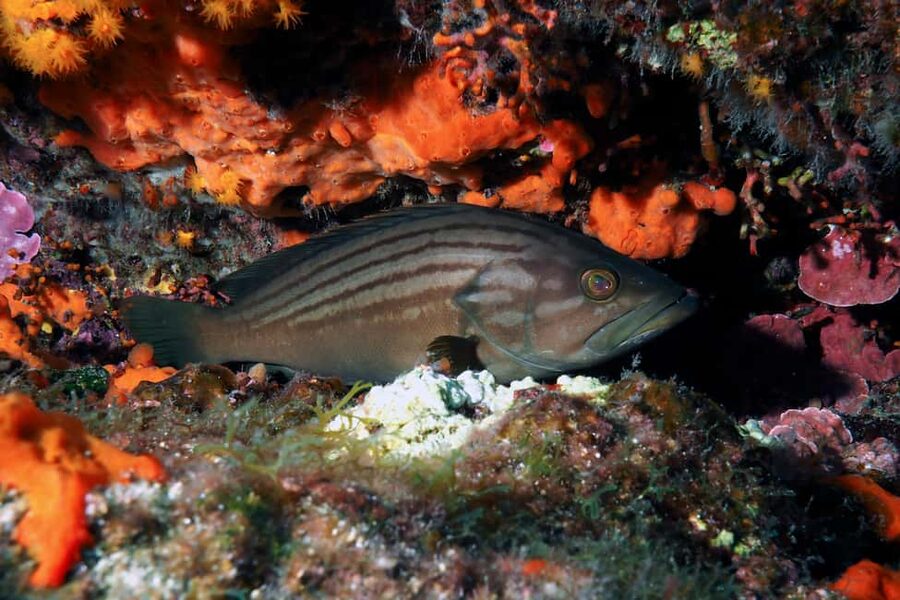
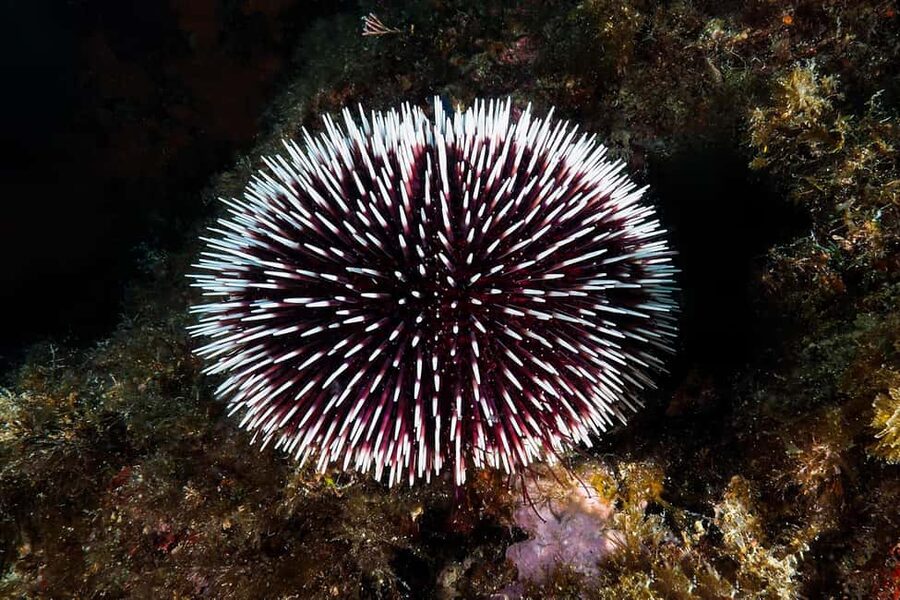
You may see fish moving close to the rocks, and octopus are among the sea creatures specifically noted during the experience. The combination of dark volcanic stone and marine life makes this more interesting than a simple swim in open water. You are seeing how geology shapes a living coastal environment.
The word underwater volcanoes may sound dramatic, but the experience is not described as an expedition to an active volcanic vent. Expect to observe volcanic formations and lava-shaped seabed at a safe, shallow depth. The attraction is the meeting of rock and sea, not a high-adrenaline encounter.
Visibility, conditions, and the exact marine life can vary. The area is known for biodiversity, but no particular animal can be guaranteed. Go in expecting an introduction to the coast rather than a private wildlife show.
Same coastline, a very different dive:
- TuffAlcantara – dives, slides and lots of fun in the Alcantara river
★ 5.0 · 106 reviews - Exciting PADI Discover Scuba Diving Experience Isola Bella Marine Park Taormina
★ 5.0 · 96 reviews - Sea Baptism Scuba Experience in Polignano a Mare
★ 5.0 · 87 reviews - Napoli: Dive or Discover Scuba Diving in the Park of Baia
★ 4.9 · 79 reviews
The instructors are the main strength
Equipment matters, but the instructor matters more for a first scuba session. The strongest pattern in the feedback is not about fancy gear or a long underwater route. It is about guides who explain the basics, watch carefully, and give nervous participants time to settle.
Samantha is repeatedly praised for calm English, patience, and clear explanations. Bruno is described as making people feel comfortable, and Vicki is remembered for helping a worried participant regain confidence. The wider team is also described as friendly, welcoming, and encouraging.
That support is especially useful when breathing through a regulator feels strange. You might find that the first few minutes are spent simply getting used to the equipment and the sensation of being below the surface. A good instructor will not rush that adjustment, and the feedback suggests this team understands the need for patience.
The maximum group size of six is another real advantage. It is not a private lesson, but it is small enough for the instructor to notice if someone is struggling. One group included five people, and the participant specifically appreciated the small size and careful supervision.
Language choice is broad. The team can teach in Italian, English, French, Spanish, or German. If you are travelling with people from different countries, confirm that everyone understands the safety briefing before entering the water.
Is $94 a fair price?
At $94 per person, this is not the cheapest way to spend two hours by the sea. The value depends on what you want from it.
You receive all core scuba equipment, a trained instructor, the underwater session, a small group limited to six, a post-session snack, and photos. You also get access to a distinctive volcanic coast and an experience that can help you decide if a full scuba course is worth pursuing.
For a first-timer, I think the price is easier to justify because close supervision and quality instruction are more important than shaving a few euros off the cost. The session has helped some people feel confident enough to consider PADI certification, which gives it value beyond a single morning or afternoon.
For an experienced certified diver, the calculation is different. The five-meter depth and two-hour format may feel limited. This is a trial experience designed to introduce you to scuba, not a serious underwater outing for someone seeking depth, distance, or advanced skills.
One participant called it a little pricey but still described the experience as wonderful. That is a fair way to view it. You are paying for a carefully managed first encounter, not simply for time in the water.
Practical planning before you book
The session is available with free cancellation up to 24 hours before the start time, and you can reserve now and pay later. Those options help if your Catania plans depend on weather, transport, or a changing itinerary.
The 12-hour altitude rule deserves careful attention. After the session, you must not climb above 600 meters or take an airplane for at least 12 hours. That includes going up Mount Etna. If you plan to visit Etna soon after this experience, rearrange your schedule rather than trying to fit both activities into the same day.
You also need to be in good health. The activity is not suitable for non-swimmers, children under 10, or pregnant women. Bring a swimsuit, towel, and flip-flops, since those are not supplied.
I would also arrive ready to be honest about nerves. The instructors have shown patience with people who struggled at first, but the best results come when you explain your concerns early. Do not pretend to feel comfortable if you are not.
Who will enjoy this Catania scuba experience?
This is best for:
- First-time scuba participants
- Swimmers who want a shallow introduction
- Couples or friends who want to enter the water together
- People interested in volcanic geology as well as sea life
- Visitors who value calm instruction and small groups
- Anyone considering future scuba certification
It is less suitable if you want a long underwater route, a deep descent, or a technical session. It is also not an option for non-swimmers or anyone who needs to fly or climb above 600 meters within the following 12 hours.
The experience can work well for a couple. One participant was able to go down with a partner, which made the first attempt more comfortable and memorable. Still, your time underwater will depend on the group and on how quickly each person adjusts to the equipment.
Should you book it?
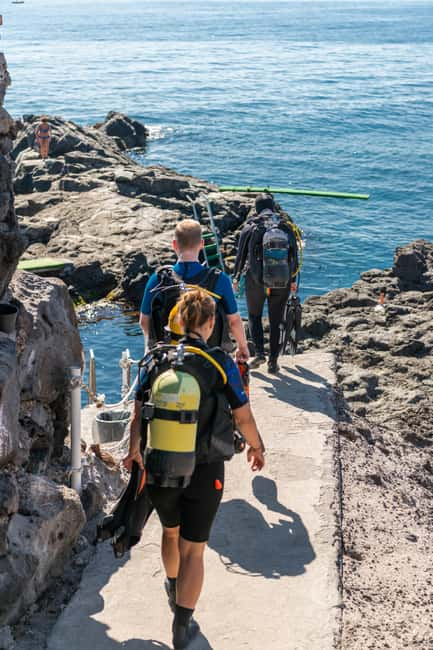
Book this experience if you want a careful first look at scuba in a memorable volcanic setting. The shallow depth, six-person limit, multilingual instructors, and repeated praise for Samantha, Bruno, and Vicki make it especially appealing for nervous beginners.
Skip it if you are already certified and want a substantial underwater session, or if your schedule requires an Etna visit or flight within 12 hours. At $94, the value is strongest for newcomers who want patient guidance, equipment included, and a chance to see Catania’s lava-shaped seabed from below.
FAQ
Where does the Catania scuba experience meet?
You meet at the diving center inside Camping Jonio in Catania.
How deep does the scuba experience go?
The maximum depth is 5 meters.
How long does the experience last?
The total duration is 2 hours.
What equipment is included?
The provider supplies a wetsuit, mask, fins, buoyancy jacket, regulator, tank, and weights.
Can non-swimmers take part?
No. The activity is not suitable for non-swimmers. It is also not suitable for children under 10 or pregnant women.
Can I visit Etna or fly after the session?
You must not climb above 600 meters, including Etna, or take an airplane for at least 12 hours after the session.
New dives around Italy
- Villasimius: Scuba Dive in Capo Carbona without Certificate★ 4.9 · 23 reviews
- Villasimius: Capo Carbonara First Time Dive with Instructor★ 4.9 · 50 reviews
- Discover Scuba diving in Calabria, Italy★ 4.5 · 3 reviews
- Scuba diving in Calabria, Italy★ 5.0 · 23 reviews
- Discover Scuba Diving PADI – Trial dive in Sorrento★ 5.0 · 2 reviews
- Double dive in the Punta Campanella Marine Protected Area★ 5.0 · 11 reviews
- Guided diving for beginners without certification from Sorrento★ 5.0 · 22 reviews
- Syracuse: Ortigia Deep Dive Cultural Tour (max 6 Guests)★ 5.0 · 9 reviews
Scuba Diving, compared.
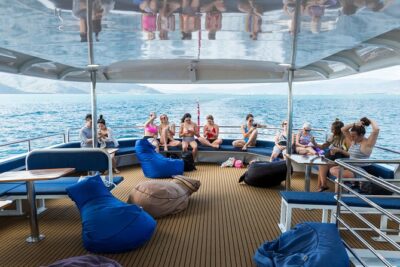
Great Barrier Reef Snorkeling and Diving Cruise from Cairns
Read our review →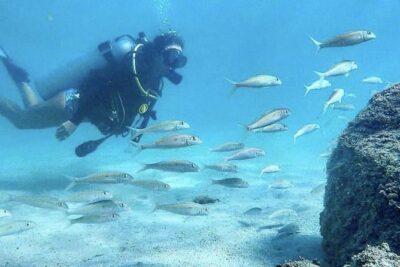
First-Time Scuba Diving in Honolulu + Free Videos
Read our review →
Silfra: Diving Between Tectonic Plates – Meet on Location
Read our review →
Ocean Freedom Great Barrier Reef Luxury Snorkel and Dive Cruise
Read our review →
Beginner Scuba Diving with Turtles and Videos, San Juan
Read our review →
Tenerife: Your First Scuba Diving Experience in Turtle Area
Read our review →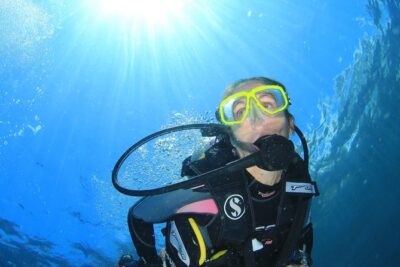
Browse the lists this tour appears in